Welcome to Part Five of Jamaican Herbs and Their Traditional Uses, where we continue exploring the rich variety of plants found across Jamaica and the traditional knowledge connected to them.
For generations, many of these herbs and plants have been used in Jamaican homes as bush teas, traditional remedies, food, tonics, and everyday household treatments. Some are well known, while others are plants you may have seen growing along roadsides, in fields, gardens, riverbanks, or deep in the countryside without ever knowing their names or traditional uses.
In this part of the series, we will look at another selection of Jamaican herbs and plants, including their common names, scientific names, traditional uses, and important information about identification and safety.
As always, traditional use does not necessarily mean a plant has been scientifically proven to treat or cure a medical condition, so proper research and caution are important when using any herb medicinally.
Let us continue discovering the plants, traditions, and natural knowledge that form part of Jamaica’s rich herbal heritage.
1. Cocky Wiss (Kakiwiss)
Botanical name: Not conclusively identified
Cocky Wiss is used in traditional Jamaican roots preparations, particularly tonics associated with strength, stamina and vitality. Jamaican botanical research has recorded the name while noting that its exact botanical identity still requires confirmation
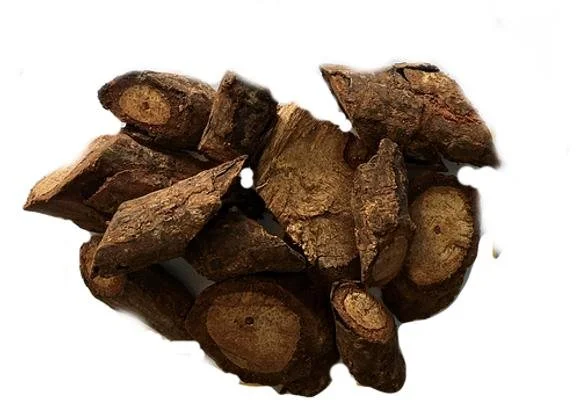
2. Logwood
Botanical name: Haematoxylum campechianum
Logwood has a long history in Jamaica. In traditional herbal practice, the wood and bark have been used in astringent preparations and other bush remedies.
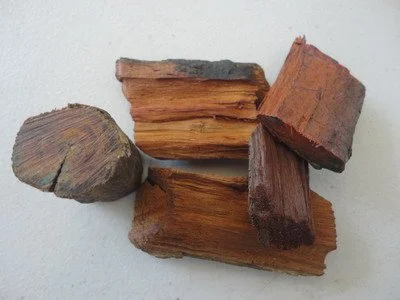
3. Sarsaparilla
Botanical name: Smilax regelii
Sarsaparilla is a popular Jamaican roots ingredient traditionally used in tonics for strength, energy, stamina and general wellness.
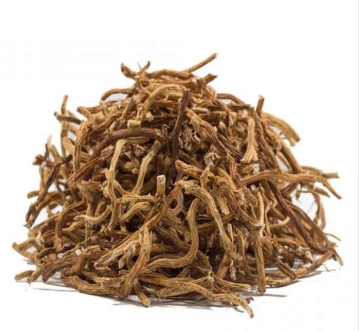
4. Star Anise
Botanical name: Illicium verum
Star anise is traditionally used in aromatic teas and herbal preparations for gas, indigestion and general digestive comfort.
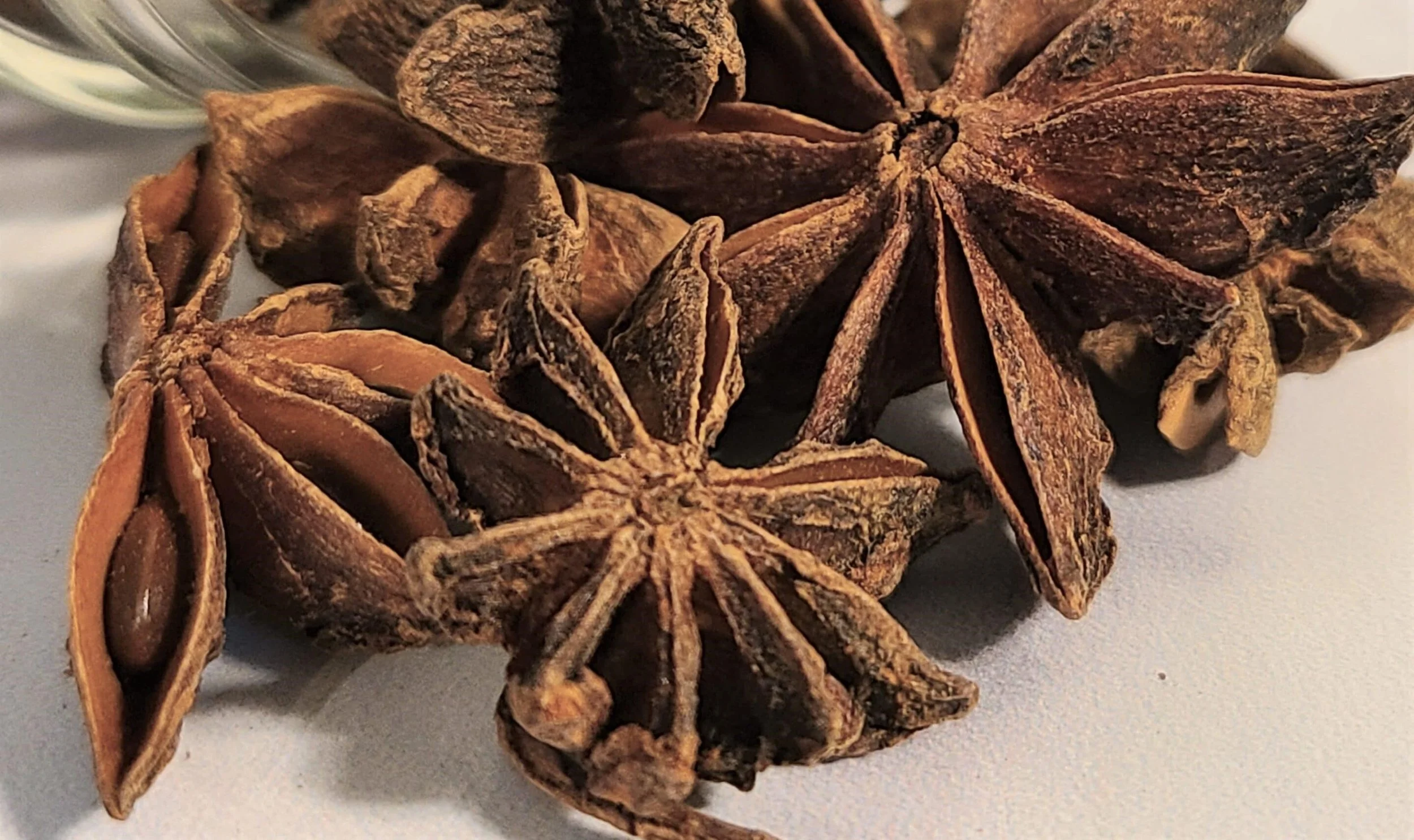
5. Yellow Dock ROOT
Botanical name: Rumex crispus
Yellow dock root is traditionally used as a bitter herb in preparations associated with digestion, cleansing and skin health.
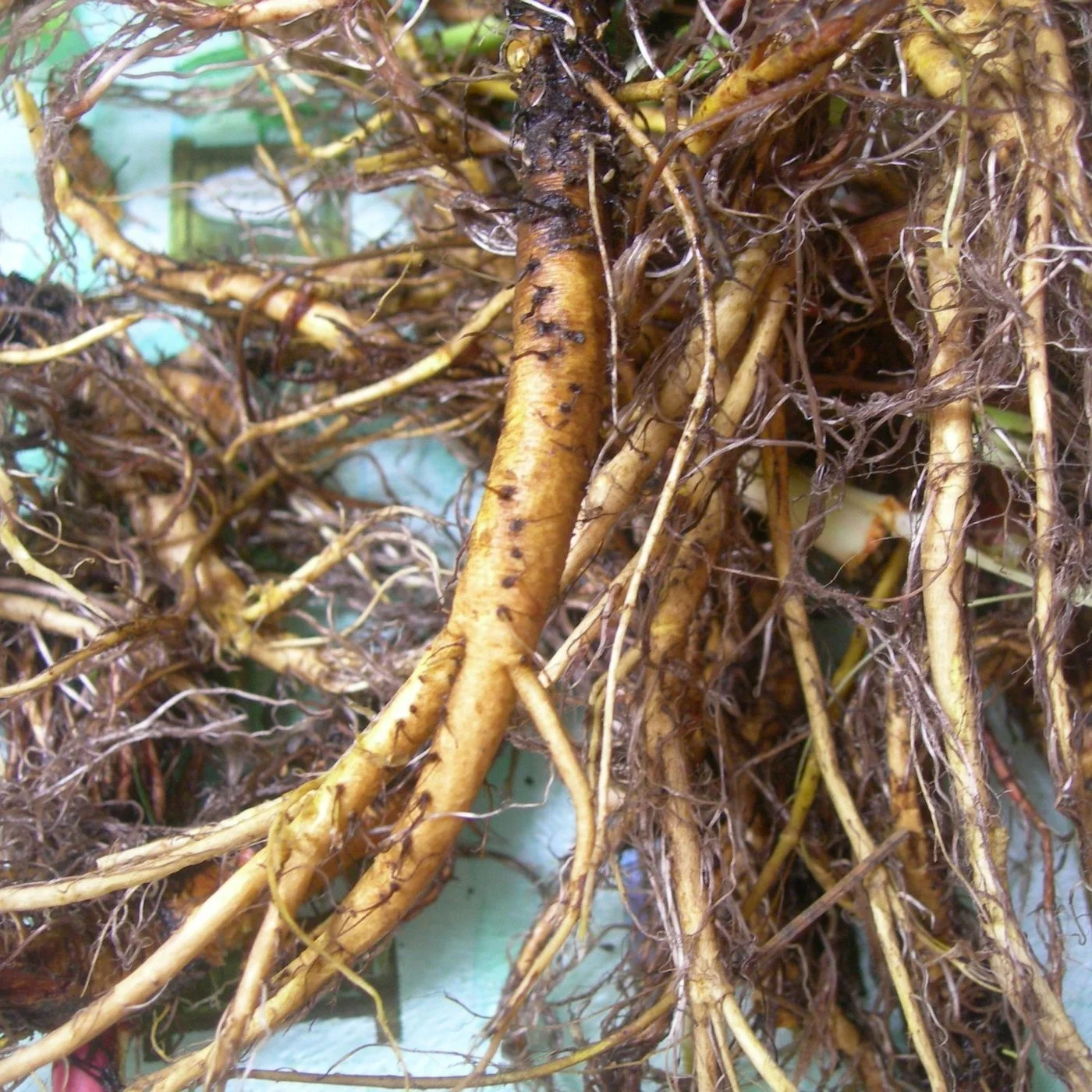
6. Burdock
Botanical name: Arctium lappa
Burdock root is traditionally prepared as a tea or tonic for digestion, skin complaints and general cleansing.
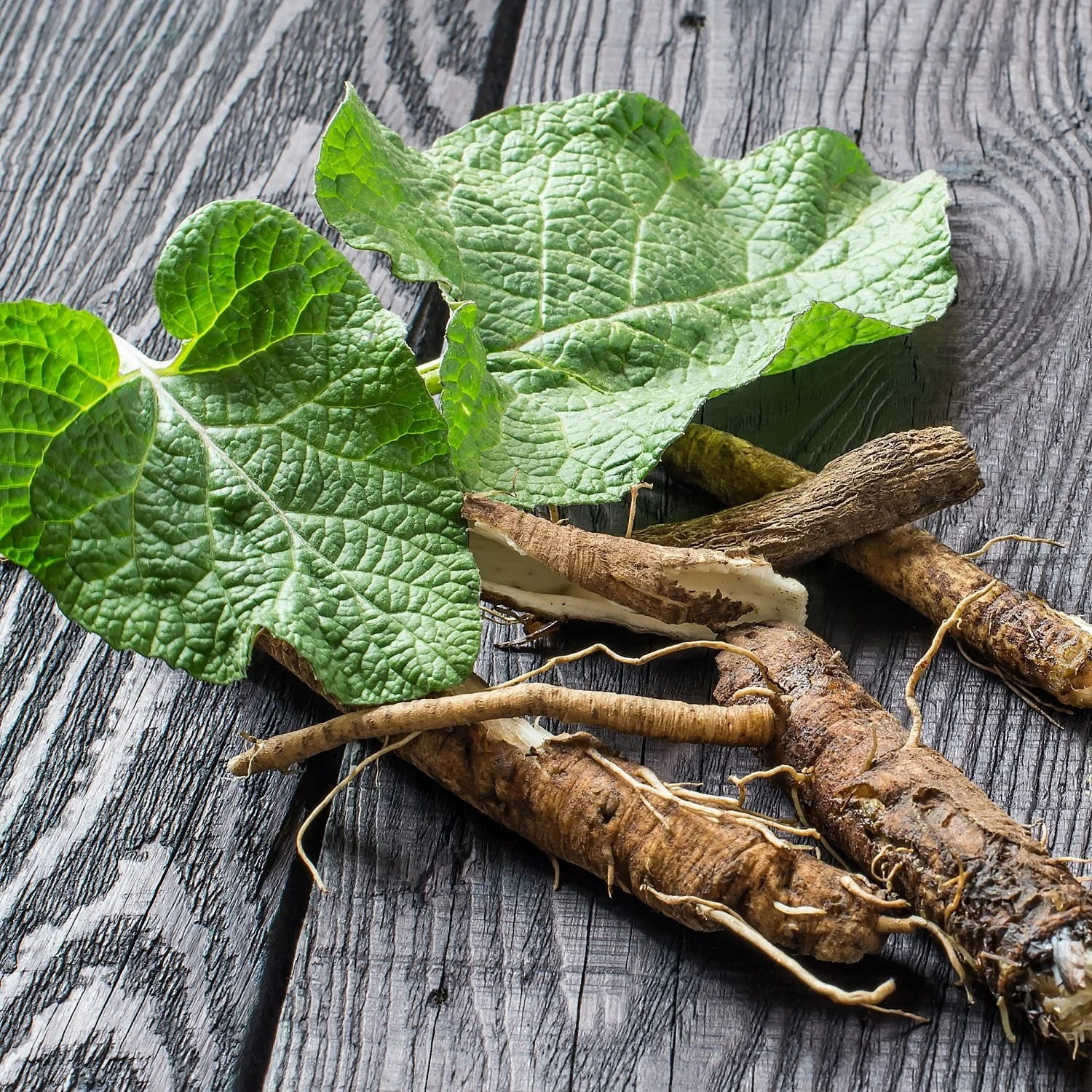
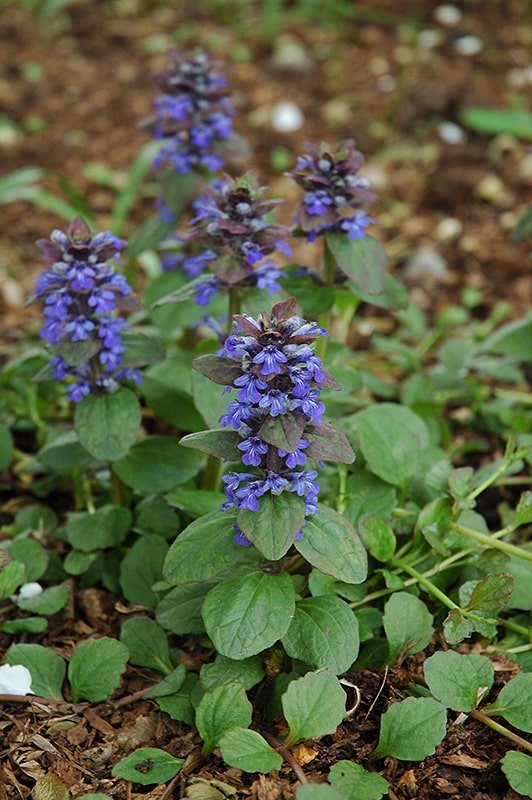
7. Bugleweed
Botanical name: Lycopus virginicus
Bugleweed has traditionally been brewed as an herbal tea and used in calming and general wellness preparations.
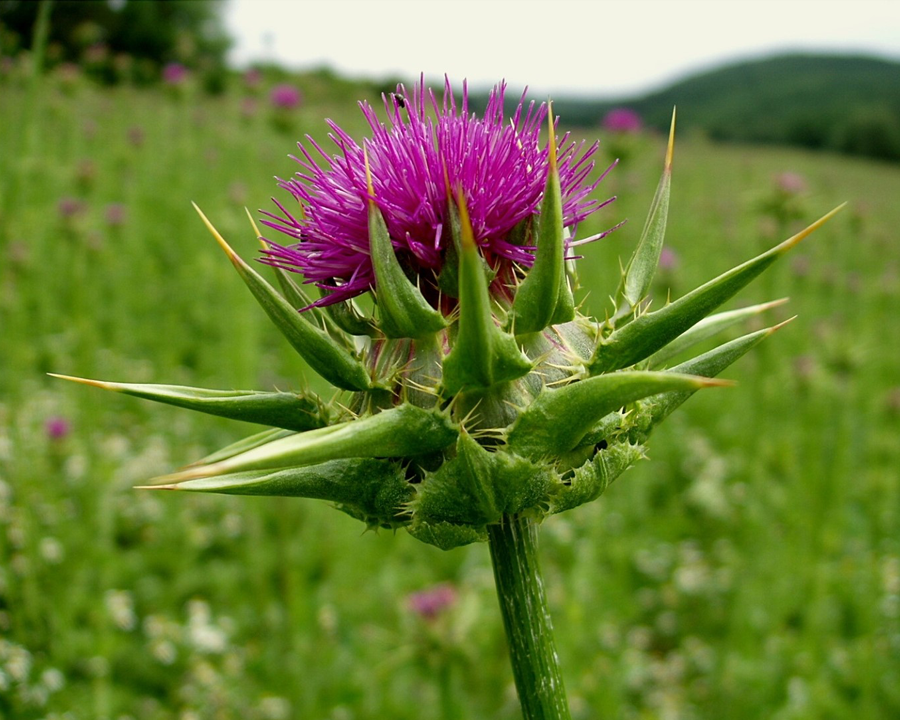
8. Milk Thistle
Botanical name: Silybum marianum
Milk thistle has traditionally been used as a bitter herb, especially in herbal preparations associated with liver and digestive health.
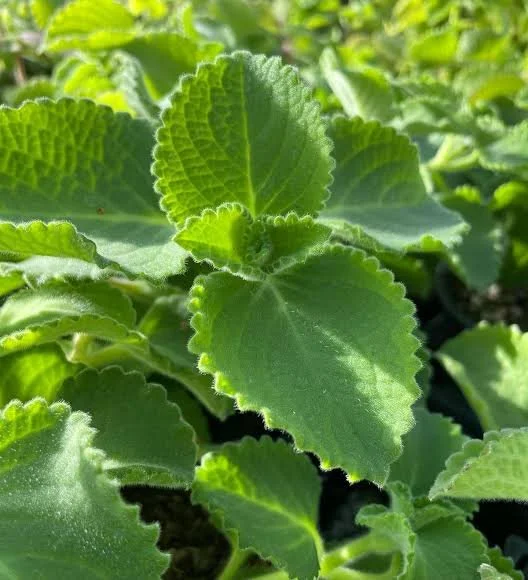
9. Oregano
Botanical name: Origanum vulgare
Oregano is used as both a seasoning and an herbal remedy. Traditionally, it is prepared for coughs, colds, digestive discomfort and general wellness.
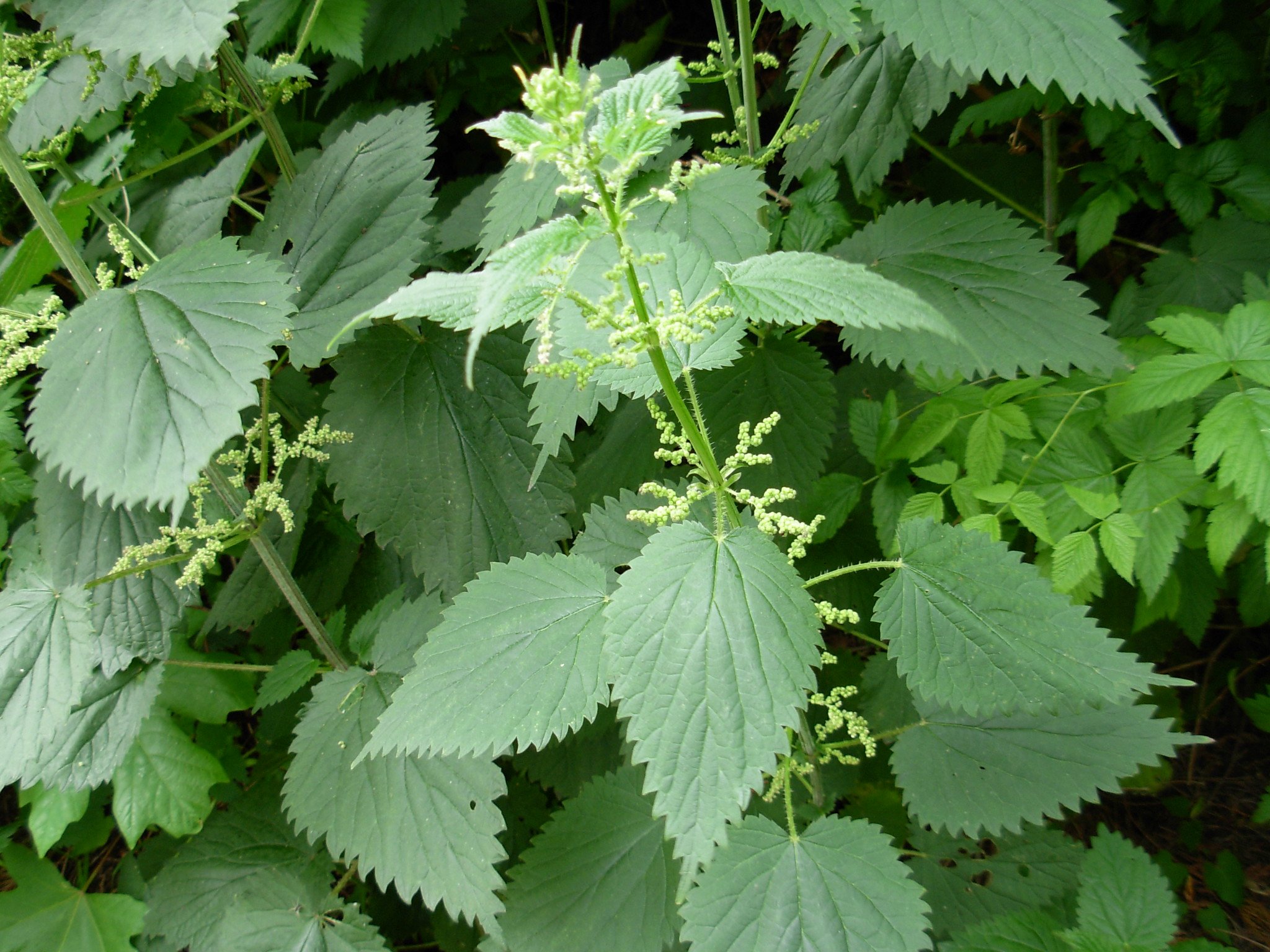
10. Stinging Nettle
Botanical name: Urtica dioica
Stinging nettle is traditionally brewed as a nutritious herbal tea and used in preparations associated with joint discomfort, urinary health and general wellness.
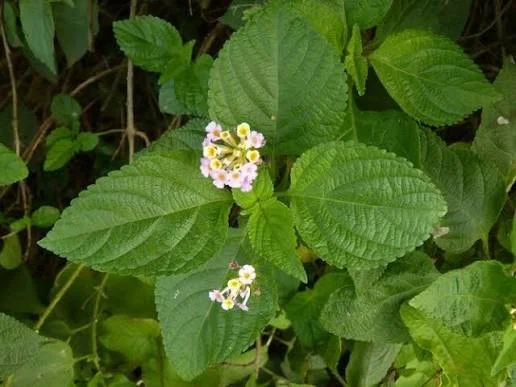
11. Lantana
Botanical name: Lantana camara
Lantana, sometimes called wild sage, has traditionally been used in bush preparations for colds, fever and externally for skin complaints.
Caution: Lantana can be toxic and should not be taken internally without knowledgeable guidance.
12. Neem
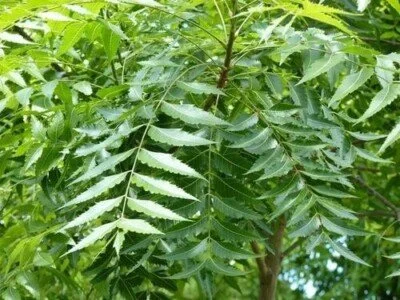
Botanical name: Azadirachta indica
Neem leaves are traditionally used in herbal washes and preparations for the skin, scalp and general cleansing.
13. Moringa
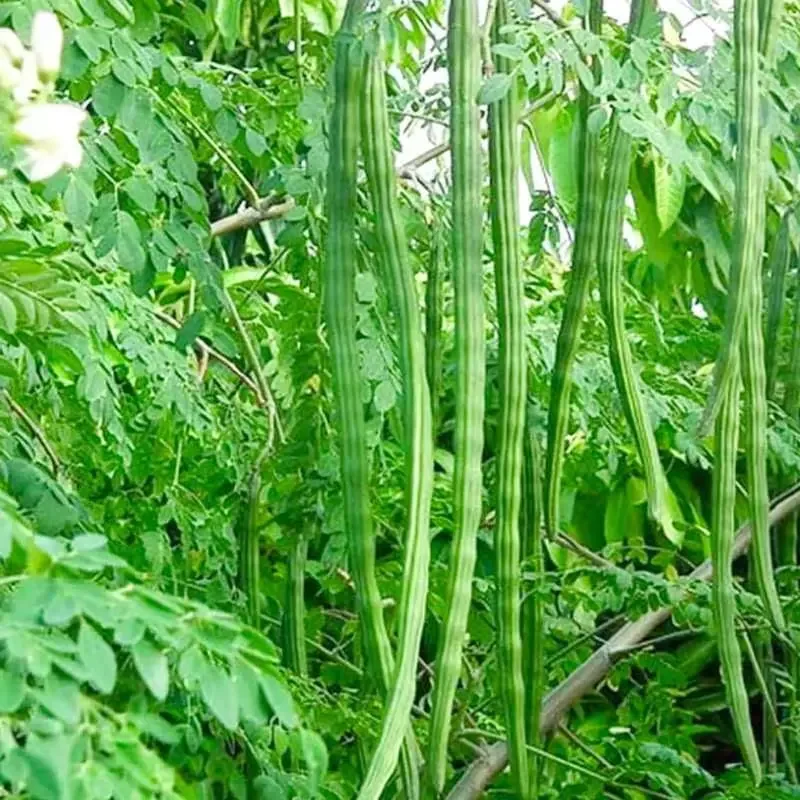
Botanical name: Moringa oleifera
Moringa leaves are commonly dried for teas and powders. Traditionally, moringa is used as a nutrient-rich plant for strength and general wellness.
14. Bay Leaf
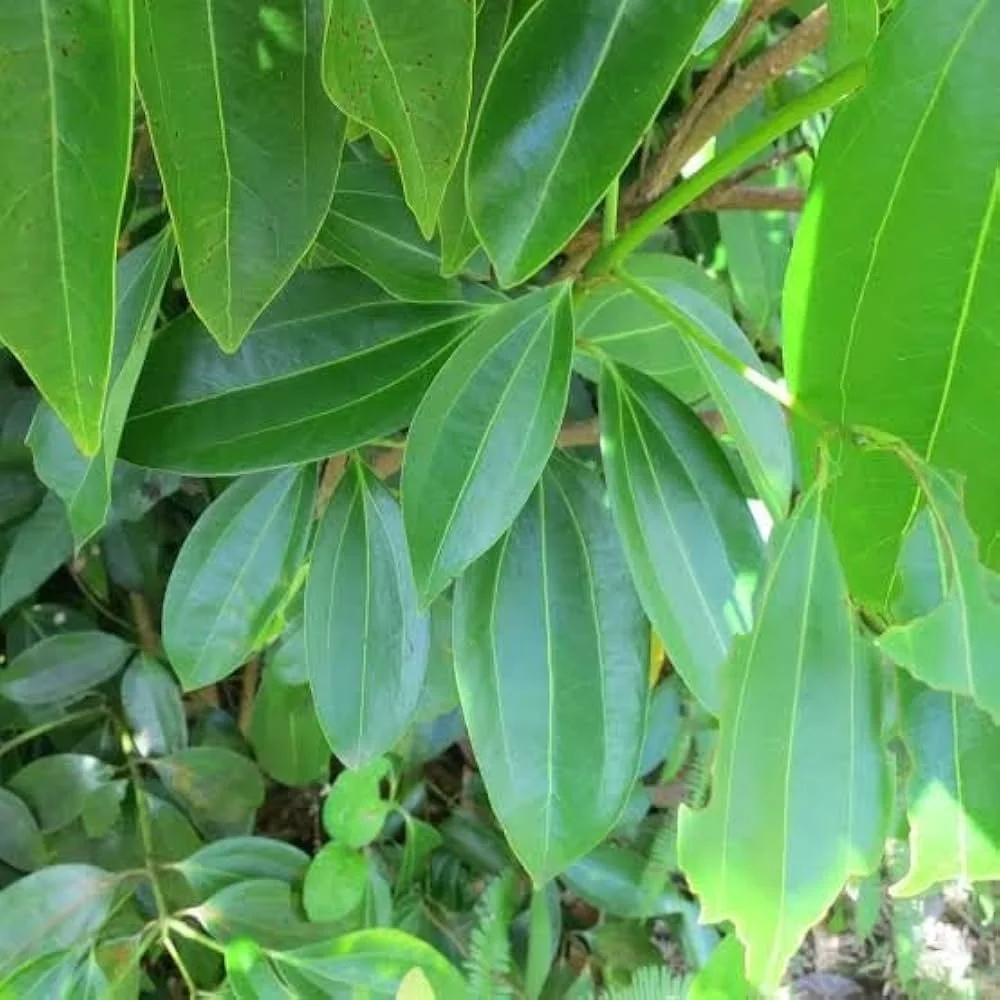
Botanical name: Pimenta racemosa
West Indian bay leaves are traditionally used in teas, herbal baths and preparations associated with colds, aches and general wellness.
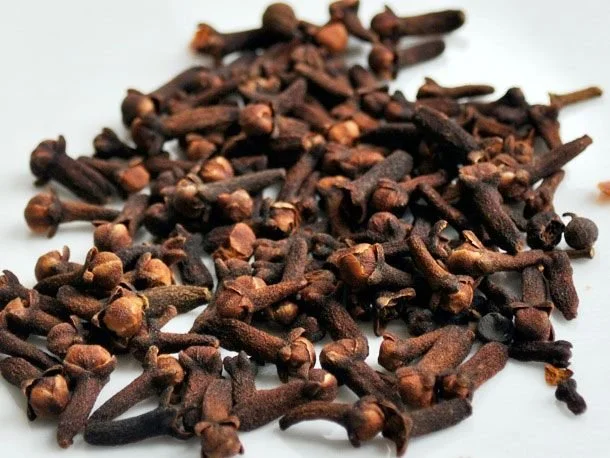
15. Clove
Botanical name: Syzygium aromaticum
Clove is traditionally used for tooth discomfort, digestion, colds and as a warming ingredient in herbal teas.
16. Chainy Root
Botanical name: Smilax balbisiana
Chainy root is one of Jamaica's well-known roots ingredients. It is traditionally included in tonics for strength, stamina, energy and general vitality.
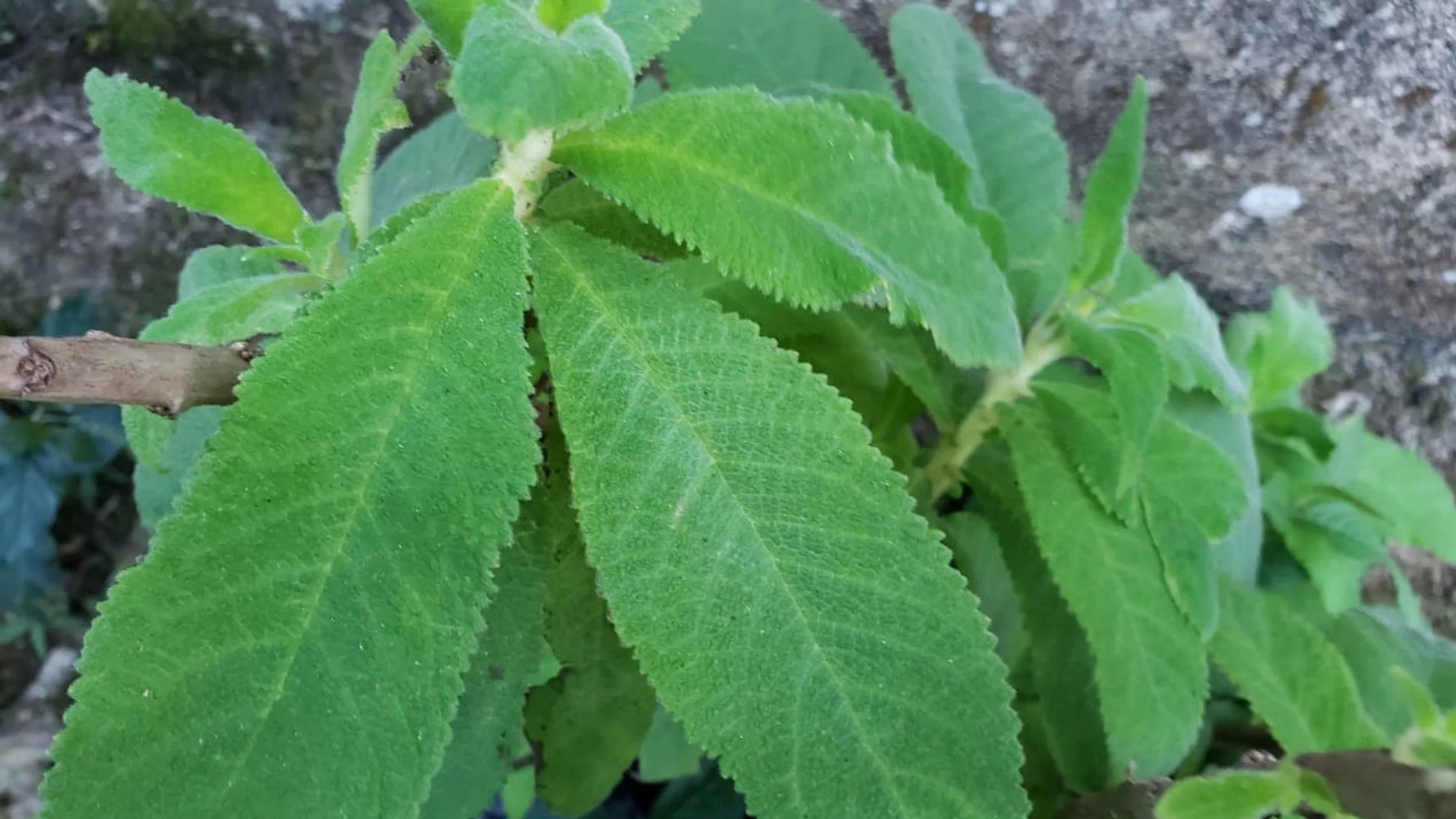
17. Search-Me-Heart
Botanical name: Rhytidophyllum tomentosum
Search-me-heart has traditionally been prepared as a Jamaican bush tea for coughs, chest complaints, menstrual discomfort and general wellness.
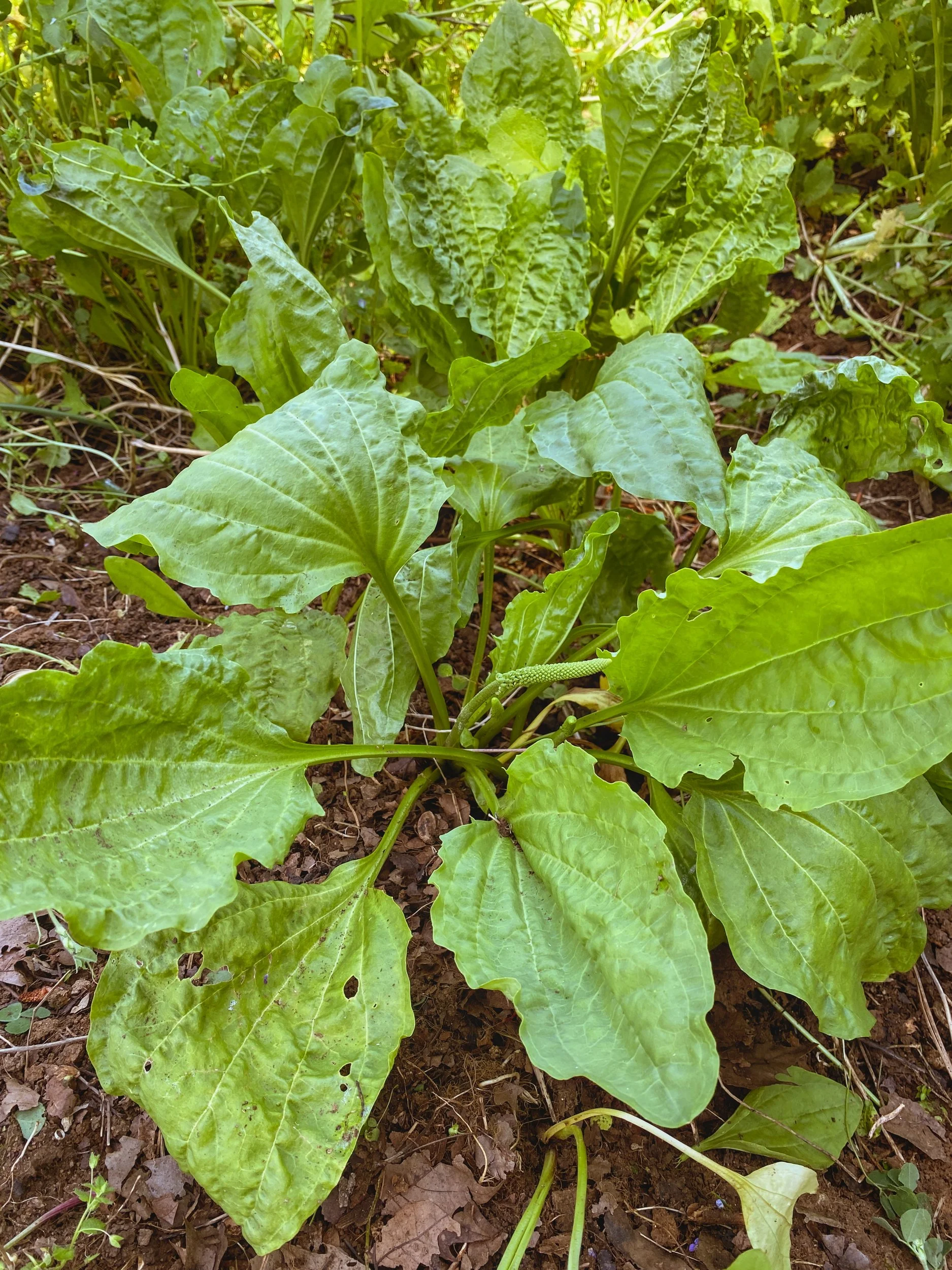
18. Plantain Leaf
Botanical name: Plantago major
Plantain leaf, not to be confused with the banana-like fruit, is traditionally used externally for minor cuts, bites and skin complaints and in herbal preparations.
19. Donkey Weed
Botanical name: Stylosanthes hamata
Donkey weed has traditionally been used in Jamaican bush preparations for colds, kidney and urinary complaints and general strength.
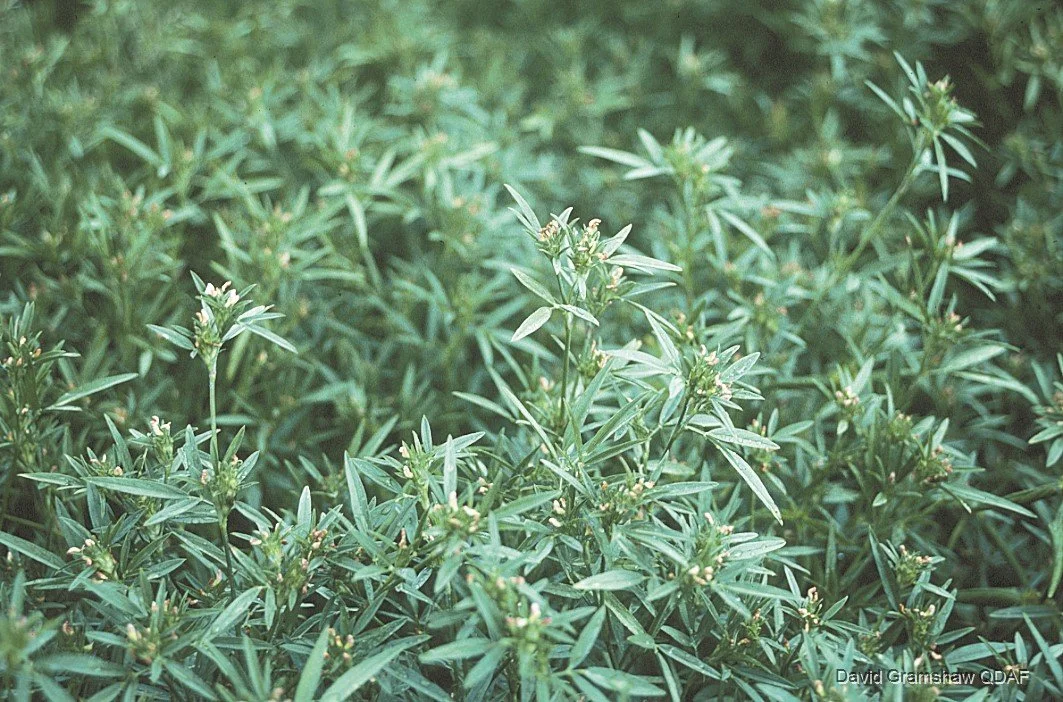
20. Chew Stick
Botanical name: Gouania lupuloides
Chew stick is traditionally used in Jamaica for cleaning the teeth and mouth. The stem is chewed until the end becomes fibrous and brush-like.
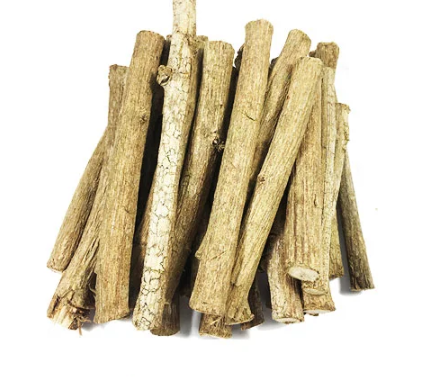
21. Slippery Elm
Botanical name: Ulmus rubra
The inner bark of slippery elm is traditionally mixed with water or brewed to make a soothing preparation for the throat and digestive discomfort.
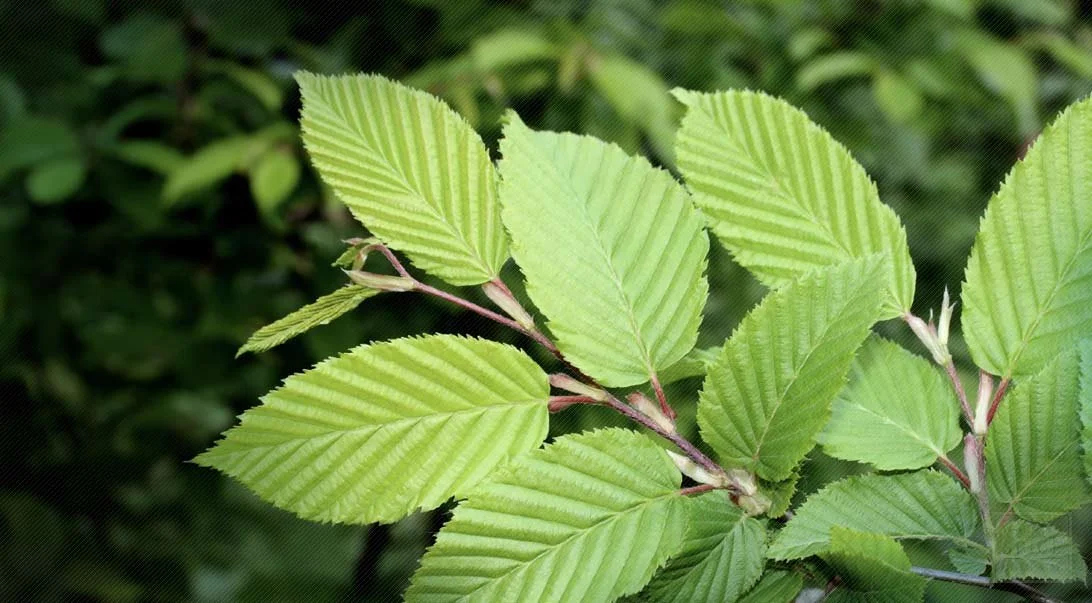
22. Dandelion
Botanical name: Taraxacum officinale
Dandelion leaves and roots are traditionally prepared as teas and tonics for digestion, urinary health and general cleansing.
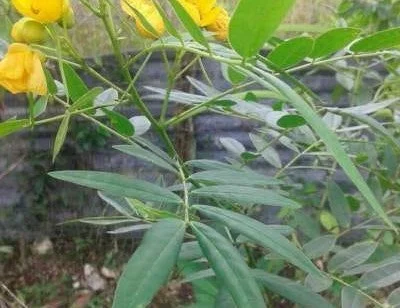
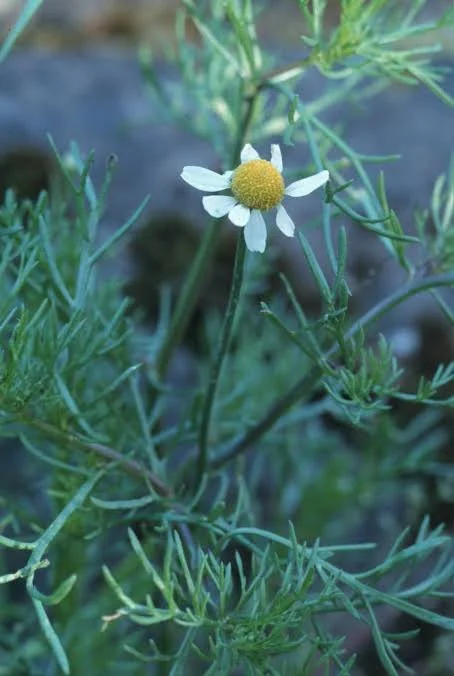
23. Chamomile
Botanical name: Matricaria chamomilla
Chamomile is traditionally brewed as a calming tea for relaxation, digestive discomfort and helping the body settle before sleep.
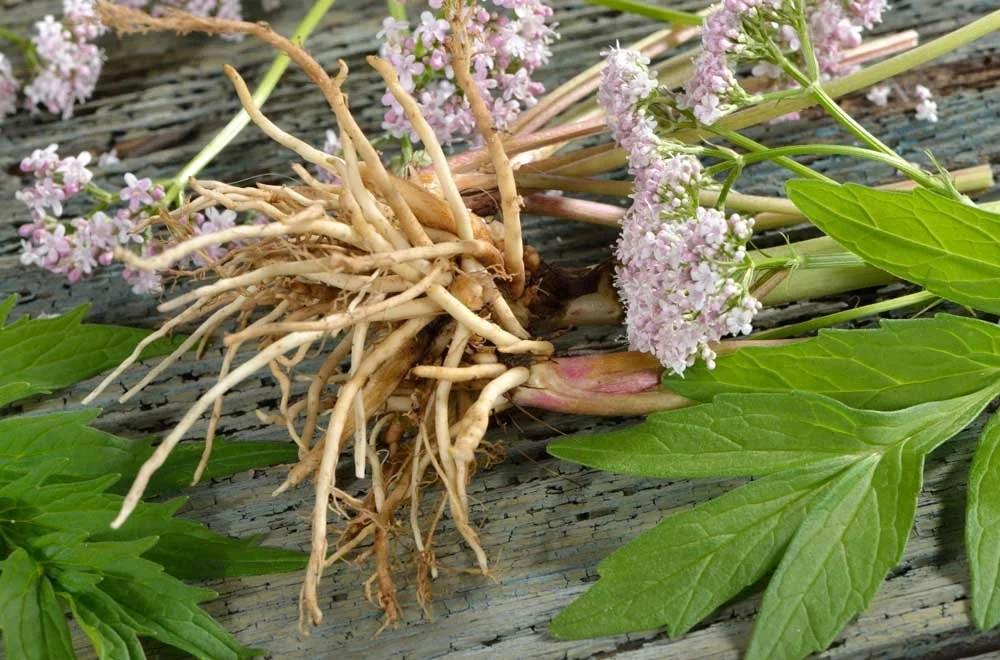
24. Valerian Root
Botanical name: Valeriana officinalis
Valerian root is traditionally used in herbal teas and preparations for relaxation, nervous tension and supporting restful sleep.
25. Hibiscus
Botanical name: Hibiscus sabdariffa
Traditionally used as a refreshing herbal drink and for digestive complaints, colds, and general wellness. It has also been traditionally used to support healthy blood pressure and as a source of antioxidants.