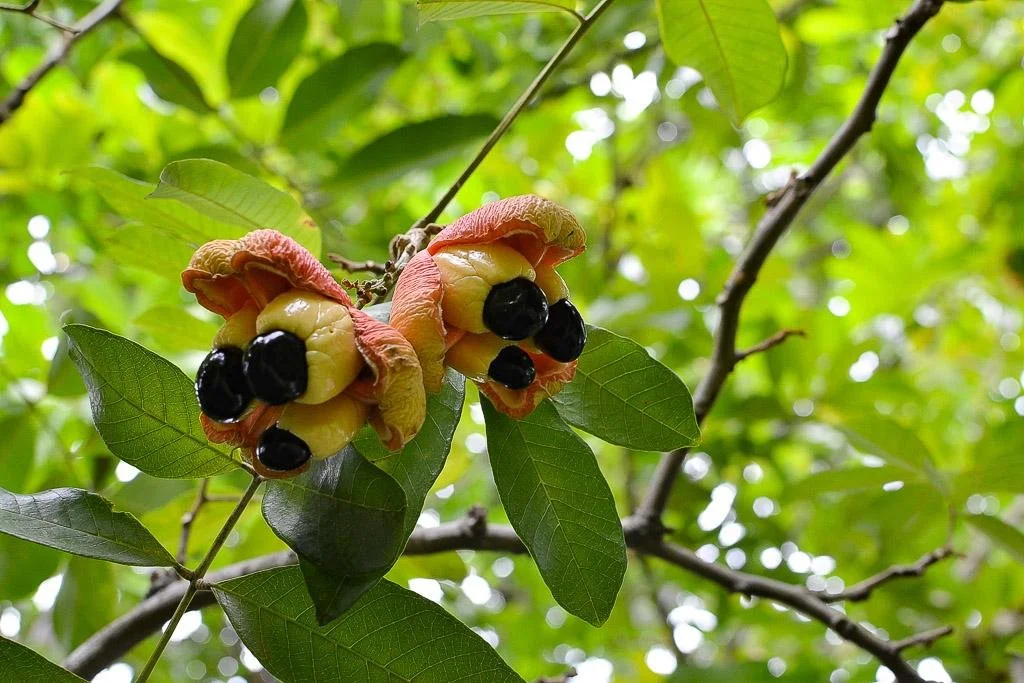

Welcome to Part Three of Jamaican Herbs and Their Traditional Uses. In this part of the series, I continue exploring the wide variety of herbs and plants found across Jamaica and the traditional knowledge connected to them.
Many of these plants have been used for generations in bush teas, home remedies, tonics, cooking, and everyday Jamaican life. Some are familiar, while others are lesser-known plants you may have seen growing around the island without knowing their names or traditional uses.
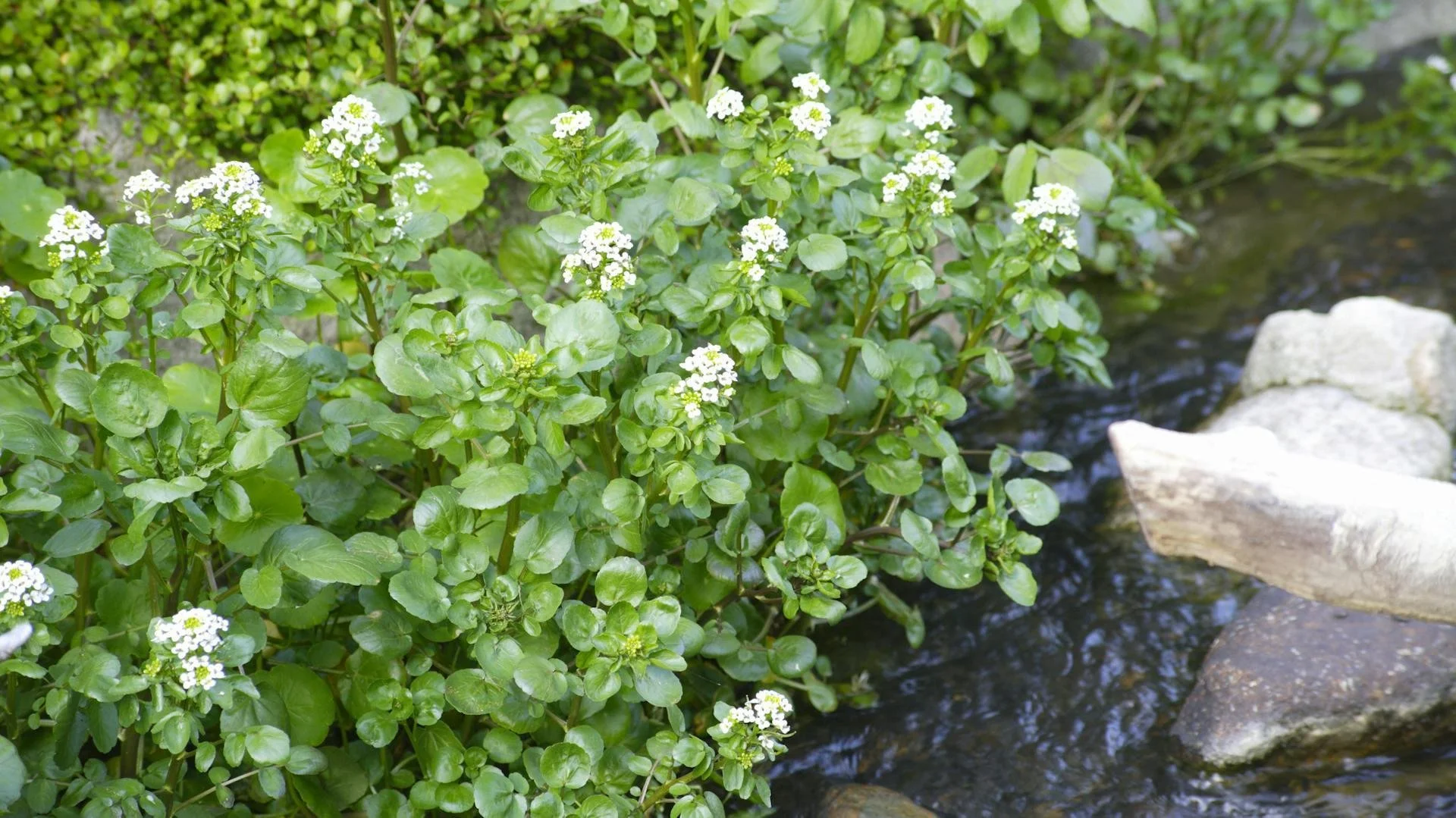
Watercress
Botanical name: Nasturtium officinale
Watercress has traditionally been used in Jamaica as a mild stimulant, diuretic and expectorant and in preparations associated with general wellness.
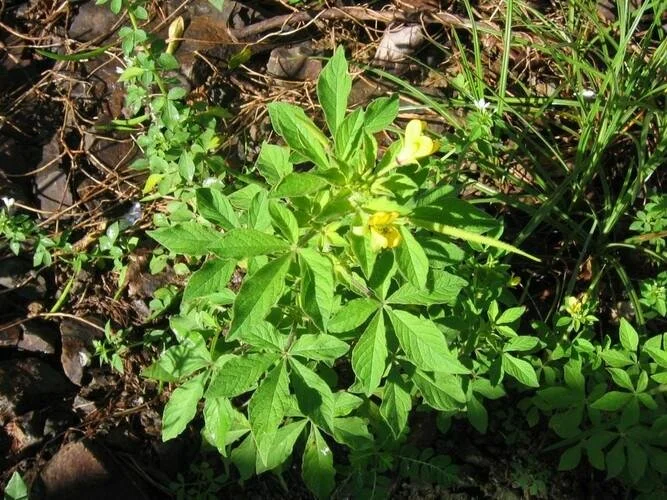
2. Wild Caia
Botanical name: Cleome viscosa
Wild Caia is a herb found in Jamaica and has been traditionally valued particularly for its insect-repelling and insecticidal properties.
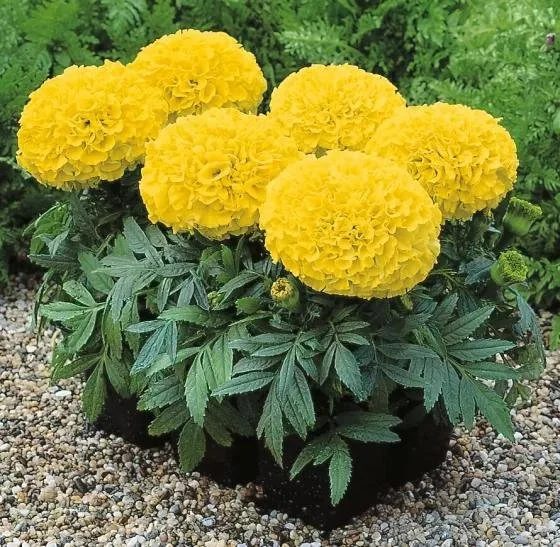
African Marigold
Botanical name: Tagetes erecta
African marigold is traditionally grown around homes and gardens and has been used as a natural way of discouraging insects such as whiteflies.
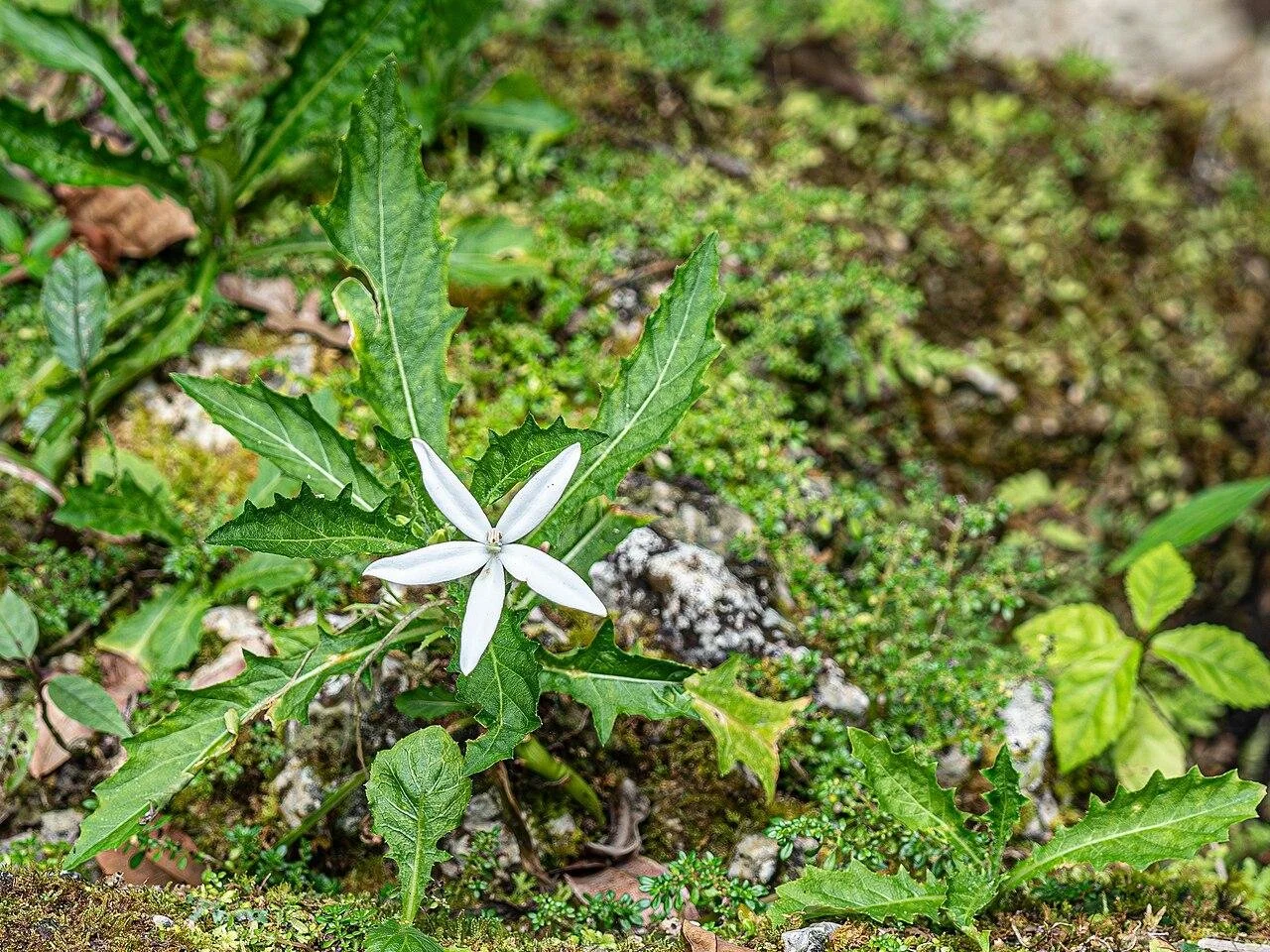
4. Madam Fate / Horse Poison
Botanical name: Hippobroma longiflora
Madam Fate has traditionally been used externally as a poultice for injuries and pain.
5. Ping Wing
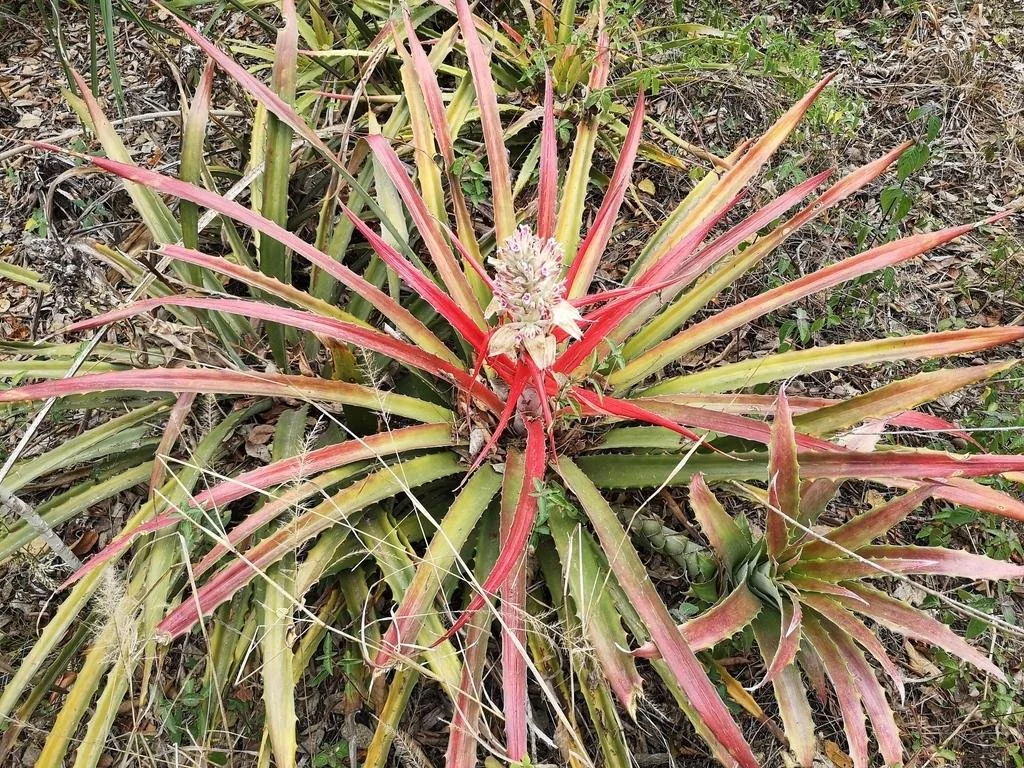
Botanical name: Bromelia pinguin
Ping Wing has traditionally been used in Jamaican folk medicine as a dewormer, diuretic and in preparations for thrush.
6. Chrysanthellum
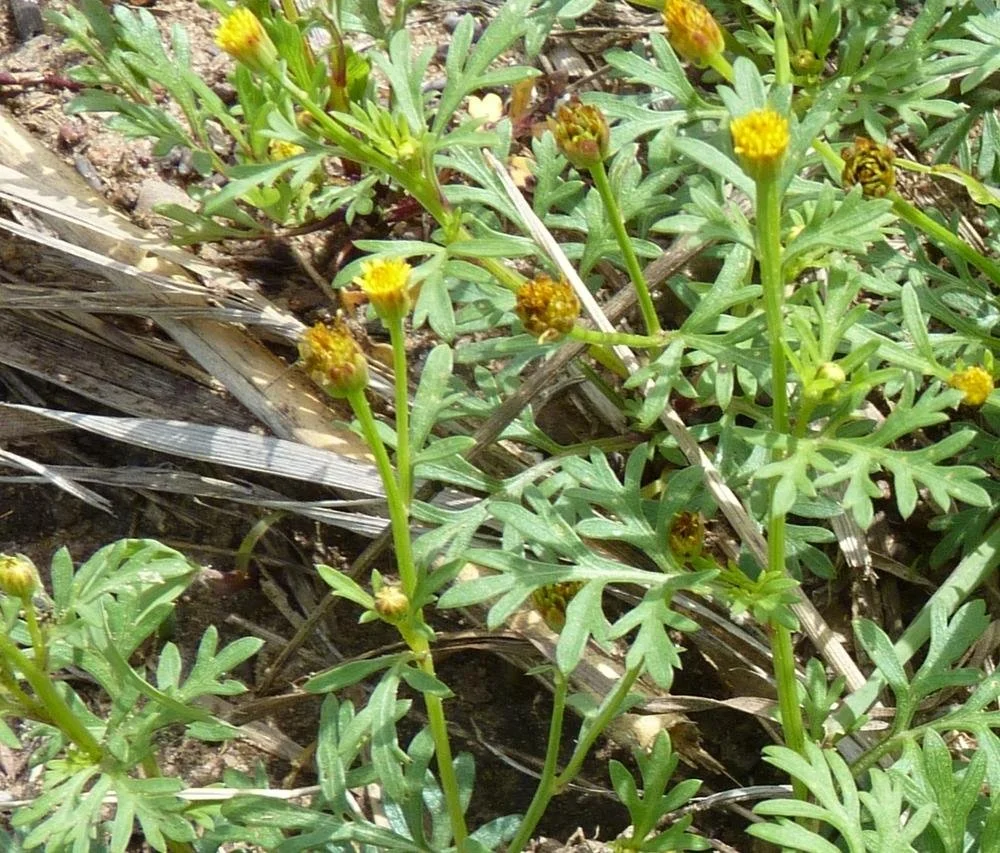
Botanical name: Chrysanthellum americanum
Chrysanthellum has traditionally been combined with strong back and other herbs in Jamaican bush teas for body pain and discomfort.
7. Fire-on-the-Mountain / Painted Spurge
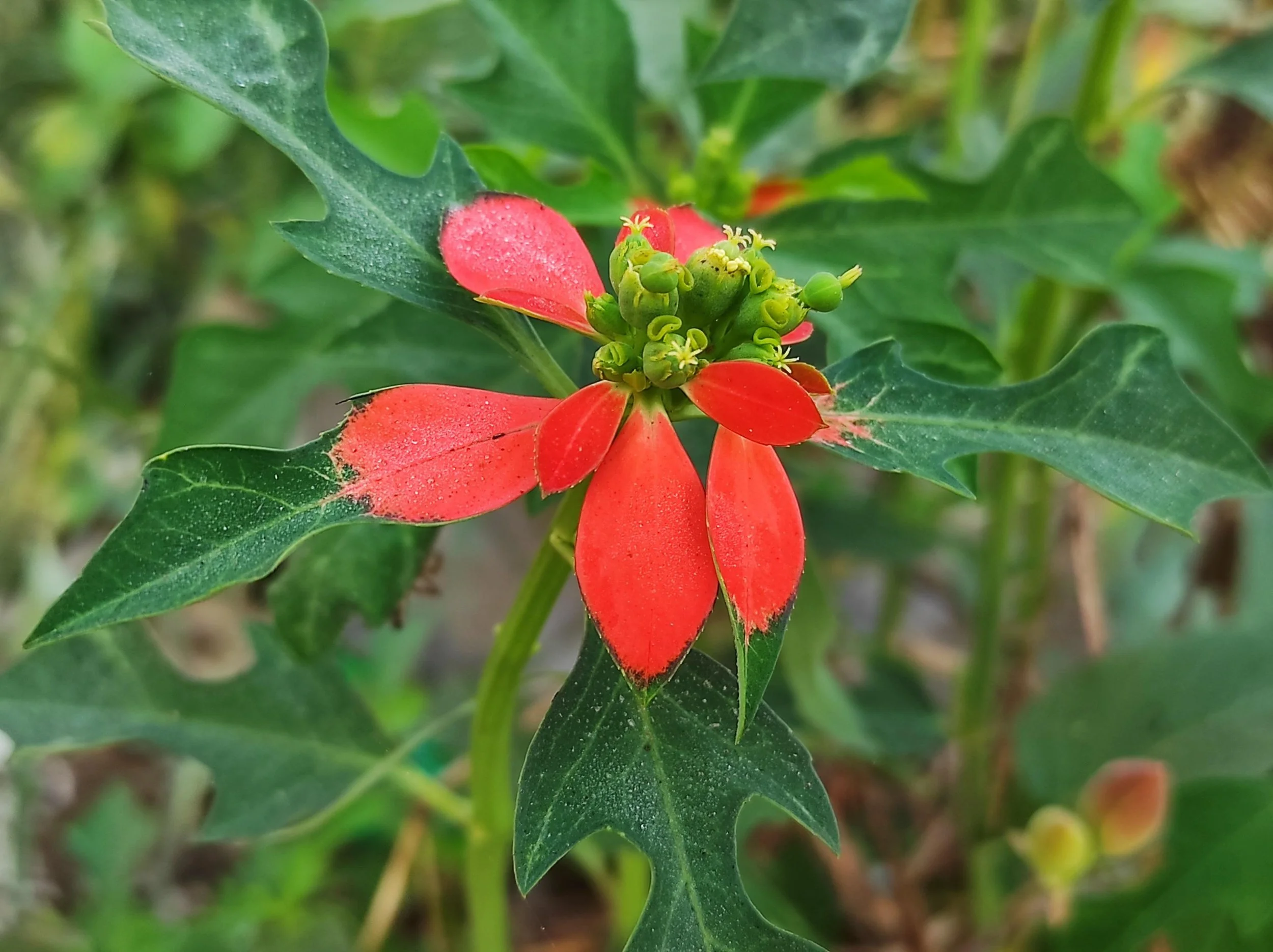
Botanical name: Euphorbia cyathophora
Fire-on-the-Mountain has traditionally been used externally in preparations for wounds and skin ulcers.
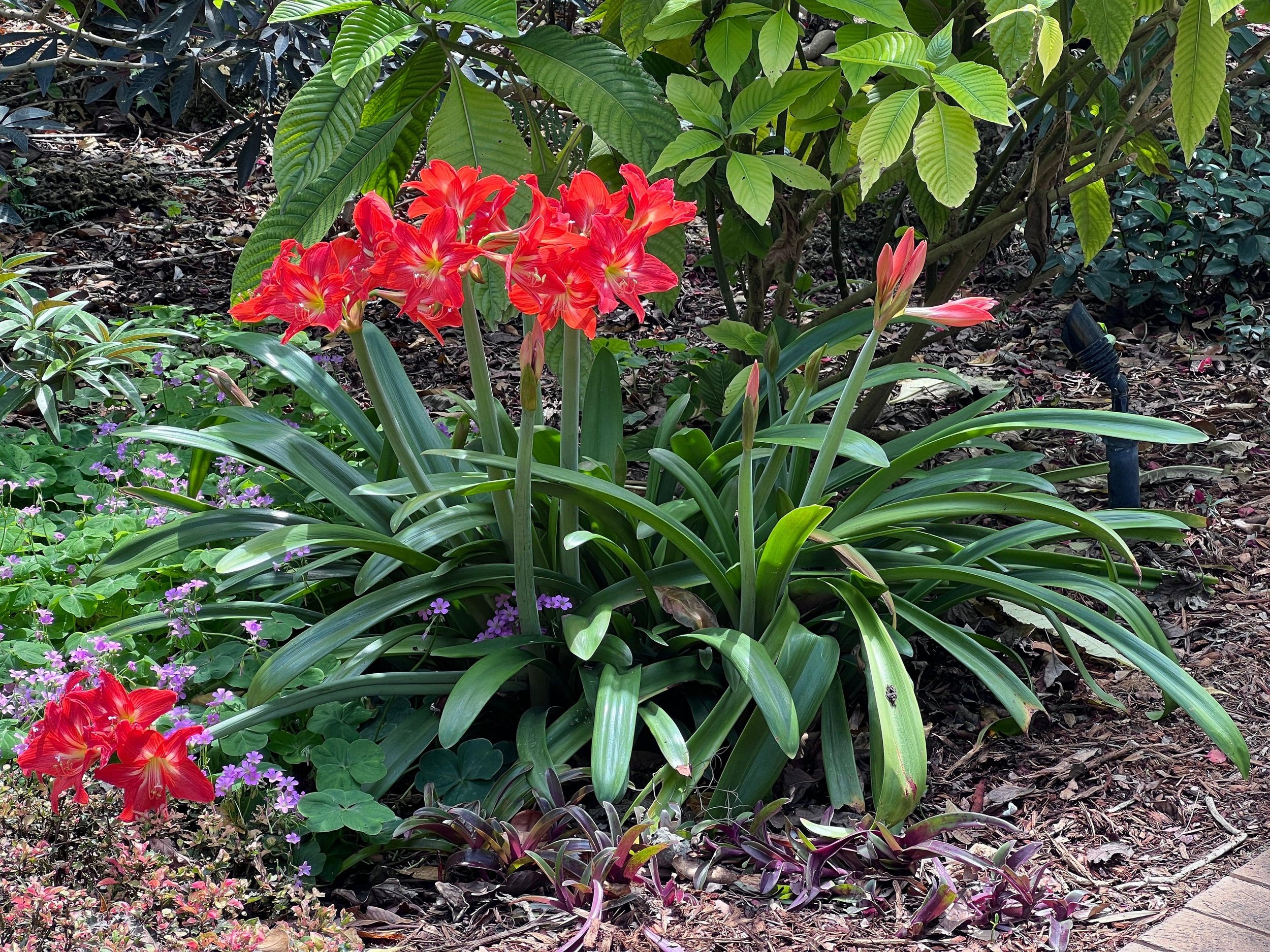
8. Maroon Lily
Botanical name: Hippeastrum puniceum
Maroon lily has traditionally been made into an external plaster for swellings and sores, sometimes combined with other Jamaican bush herbs.
9. Scorpion Weed
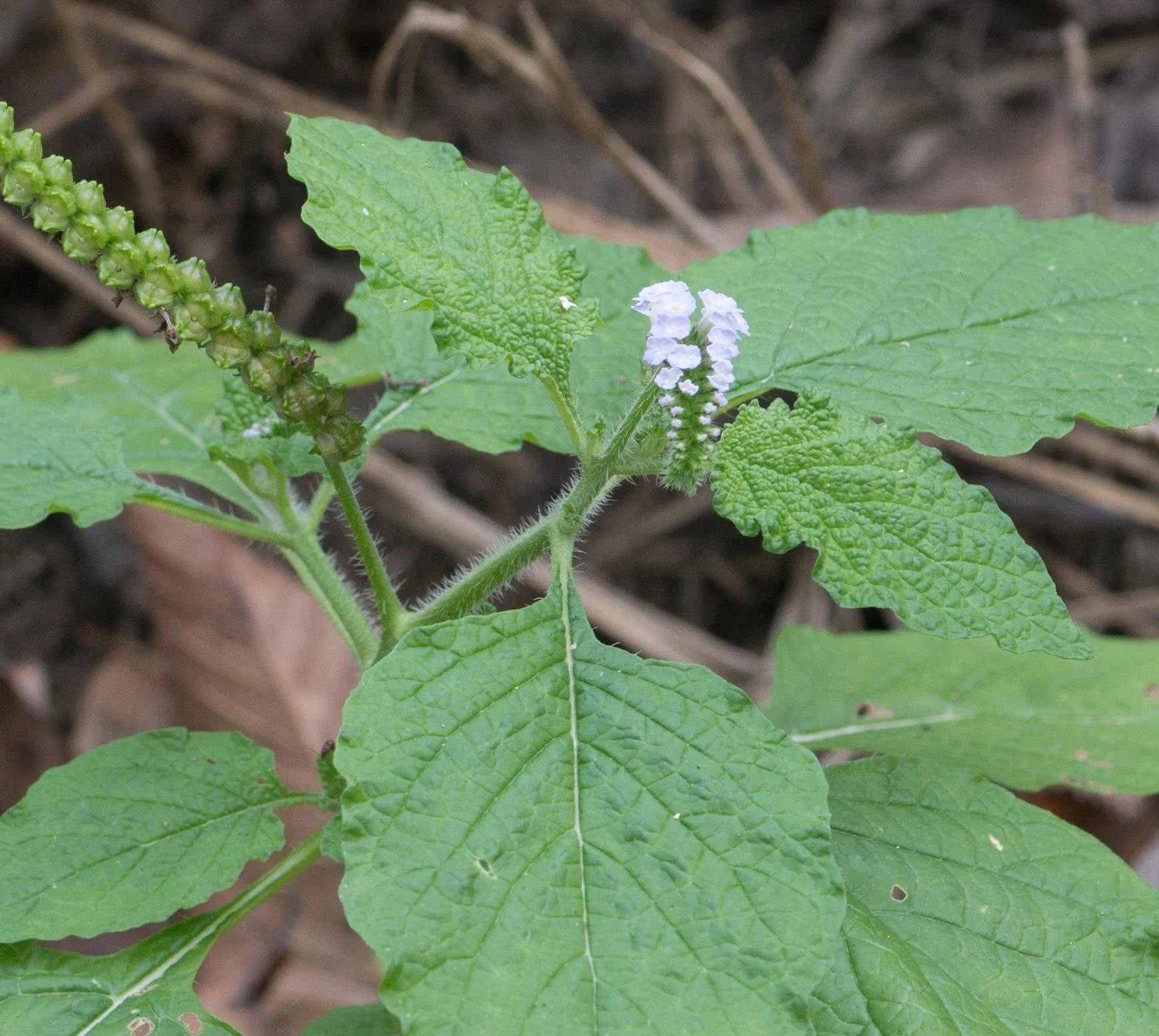
Botanical name: Heliotropium indicum
Scorpion weed has traditionally been used for sores, ulcers, fever, skin complaints and insect bites and as a diuretic.
10. Adrue
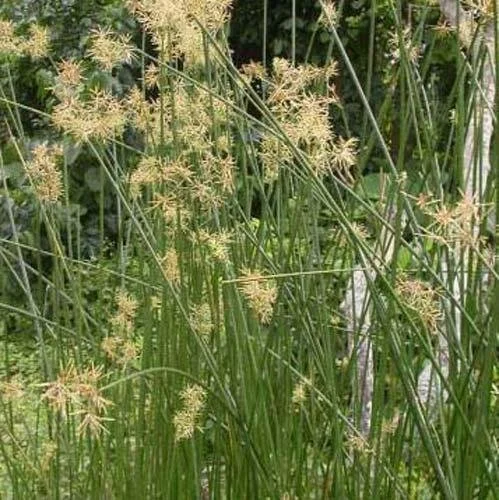
Botanical name: Cyperus articulatus
Adrue is an aromatic Jamaican bush herb traditionally used for vomiting, diarrhoea, bowel pain, toothache and headache.
11. Four O'Clock
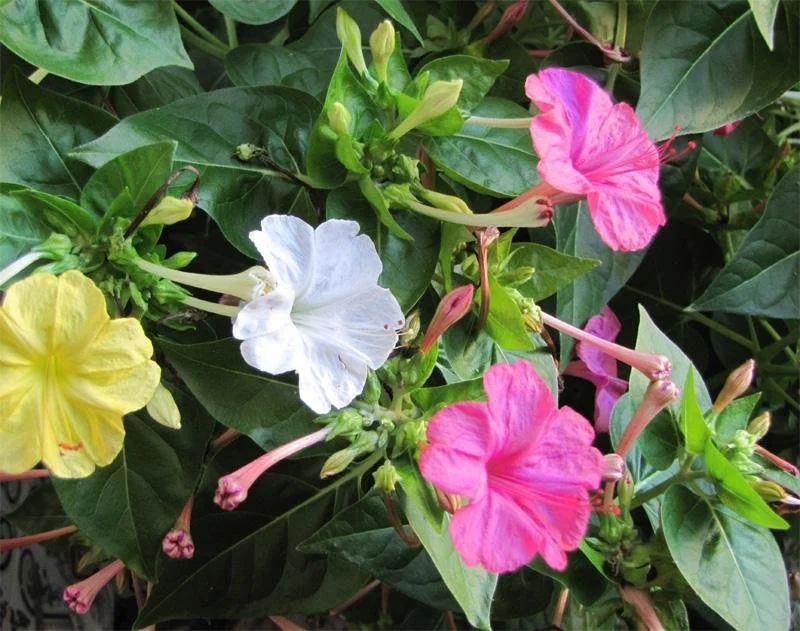
Botanical name: Mirabilis jalapa
Four O'Clock has traditionally been used in Jamaican folk preparations for colds and fever and as a laxative.
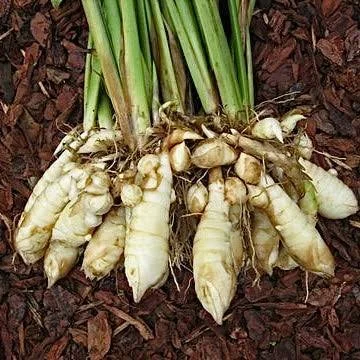
12. Arrowroot
Botanical name: Maranta arundinacea
Arrowroot has traditionally been prepared as a soothing food for people recovering from illness and used in Jamaican folk practice for diarrhoea and dysentery
13. Black Nightshade
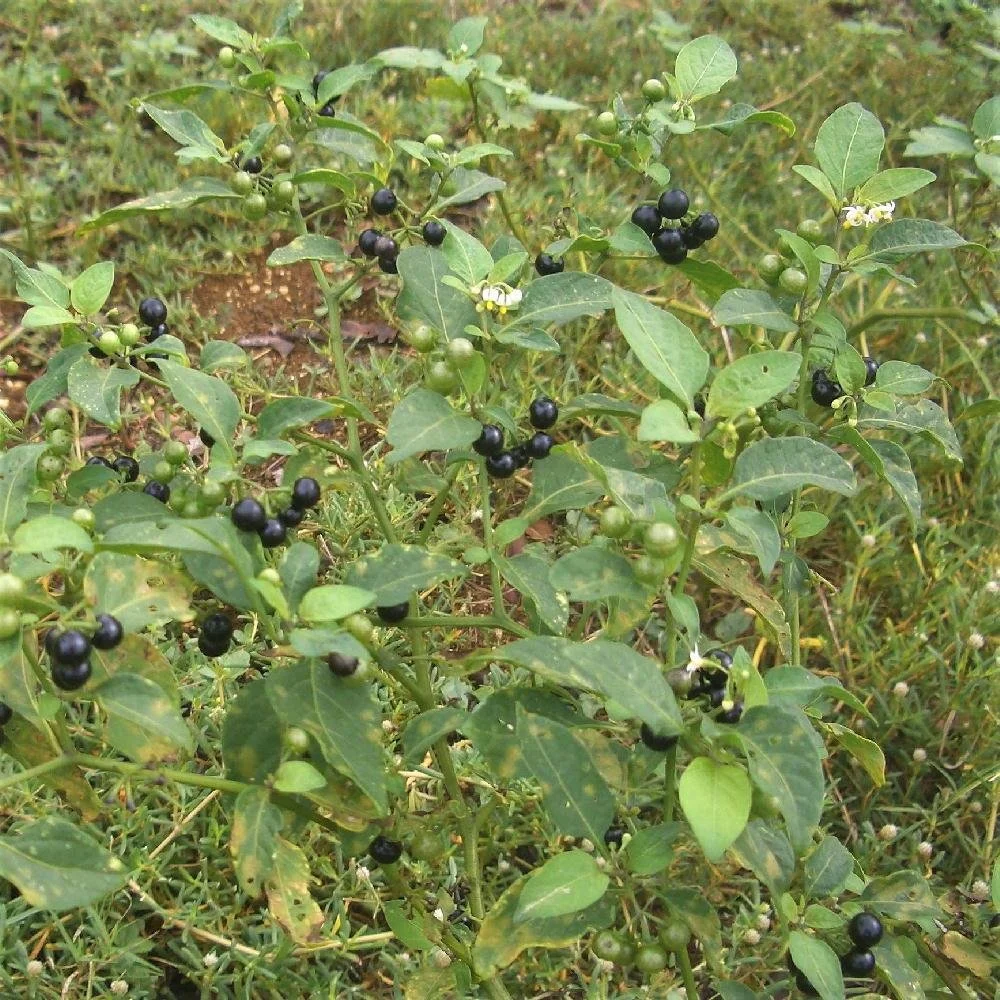
Botanical name: Solanum americanum
Black nightshade is a herb native to Jamaica and has a history of medicinal use in the Caribbean, particularly in external preparations for skin complaints.
14. Tora Apple / Jimson Weed
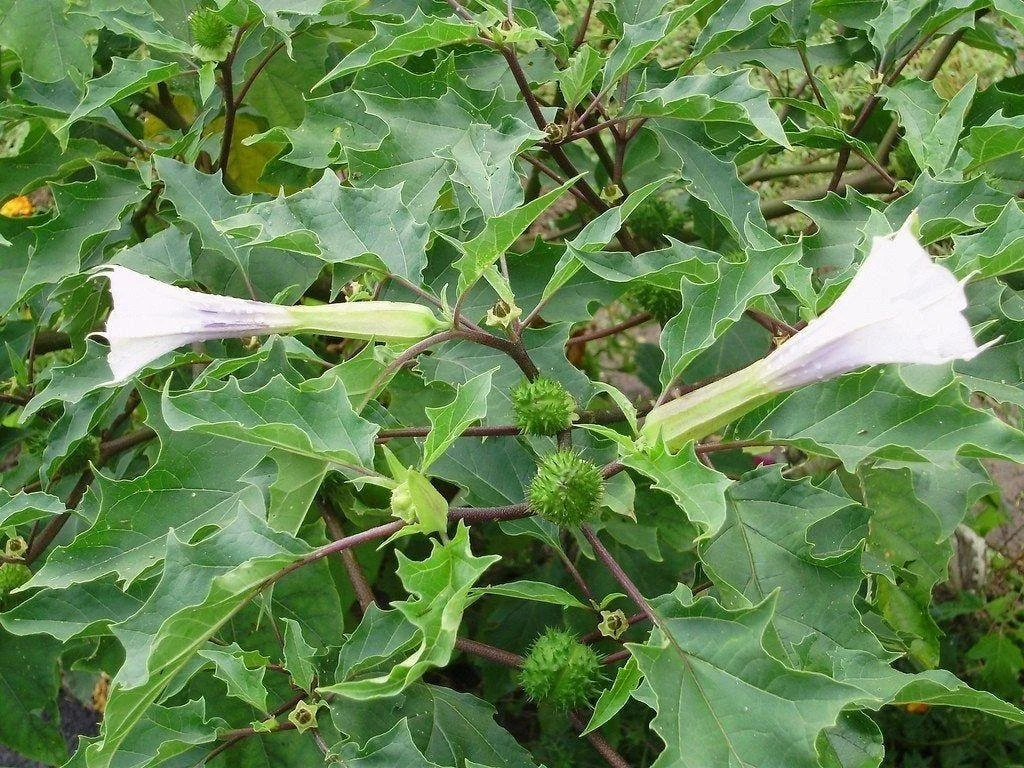
Botanical name: Datura stramonium
Tora apple has historically been used in Jamaican folk medicine for asthma, headaches, sores, burns and sinus complaints.
15. Tobacco
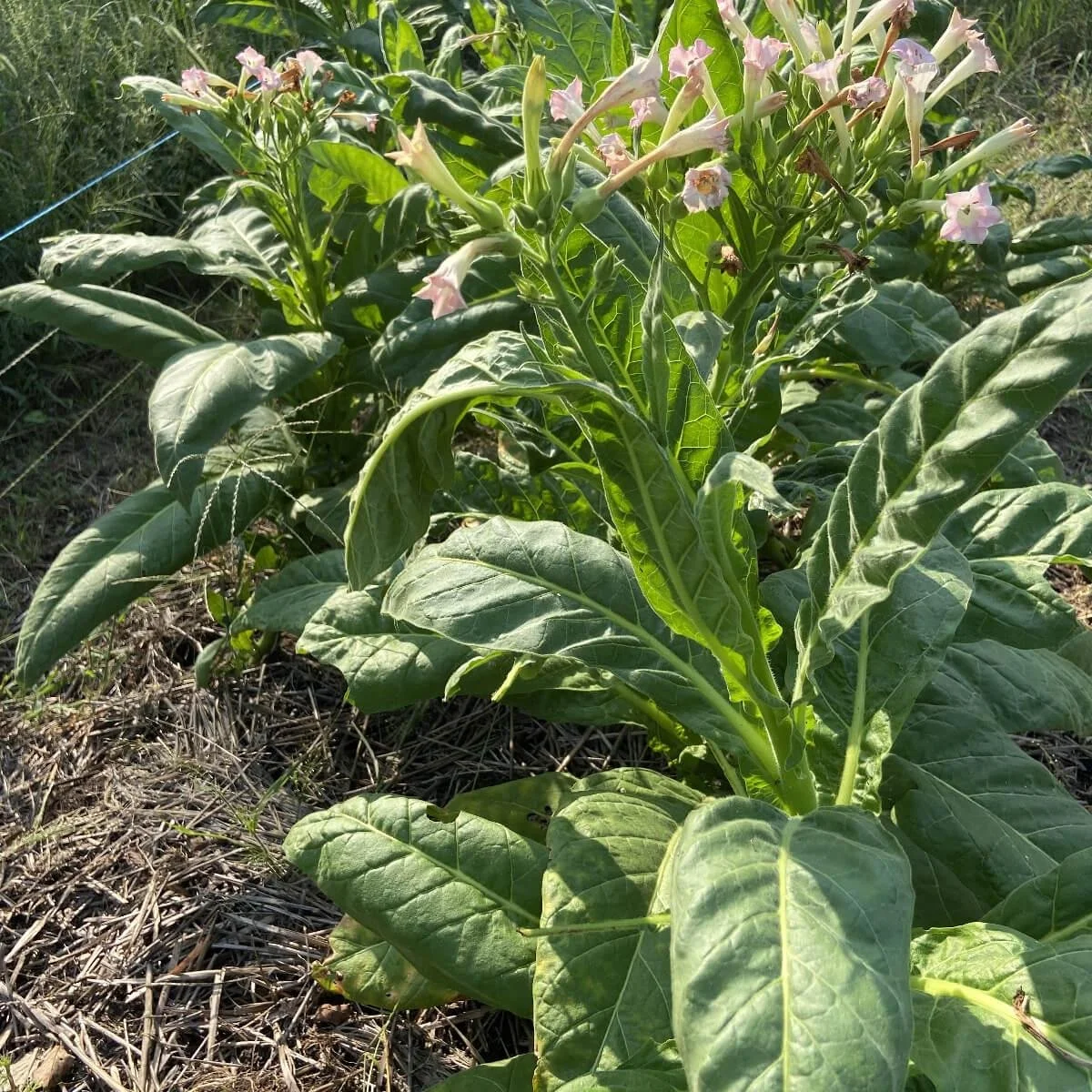
Botanical name: Nicotiana tabacum
Tobacco leaves have a history in Jamaican folk medicine, including traditional external use for toothache.
16. Garlic
Botanical name: Allium sativum
Garlic is traditionally used in Jamaican home remedies for coughs and respiratory complaints and in preparations associated with general wellness.
17. Fringed Spiderflower
Botanical name: Cleome rutidosperma
Fringed spiderflower is an herb documented among medicinal plants studied in Jamaica. However, the UWI review does not record a specific Jamaican folk use for this species.
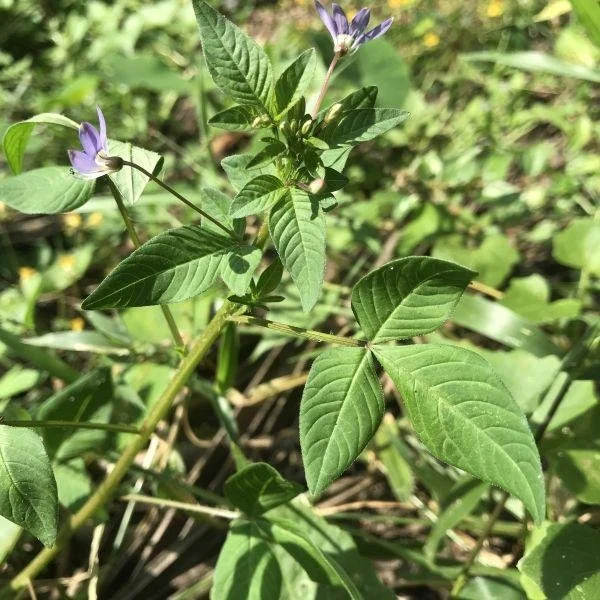
18. Chinese Violet / Creeping Foxglove
Botanical name: Asystasia gangetica
Chinese violet is an herb found and studied in Jamaica. Jamaican research has investigated its biological activity, although a specific traditional folk use was not recorded in the UWI review.
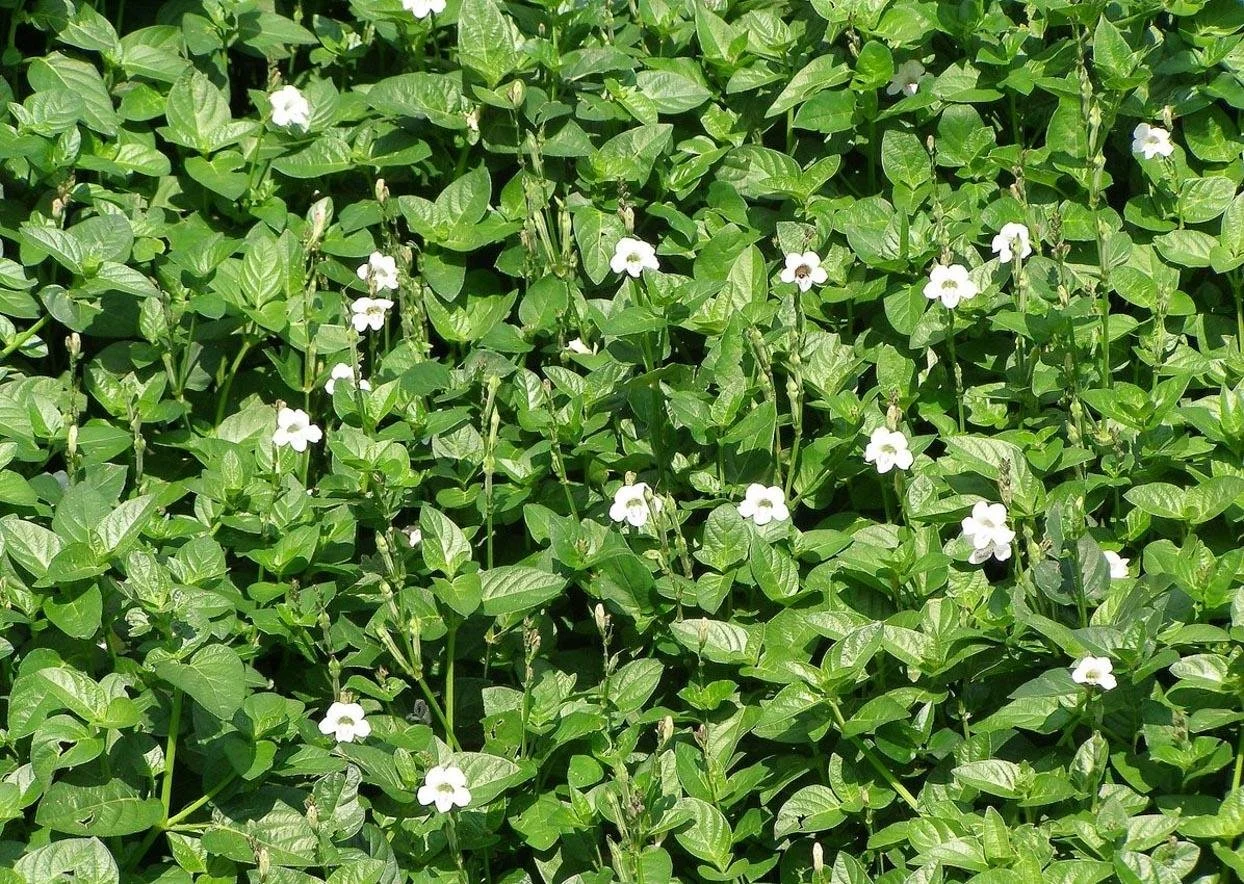
19. Jamaican Lobelia
Botanical name: Lobelia acuminata
Jamaican lobelia is an endemic Jamaican herb included in UWI medicinal-plant research. A specific traditional use was not recorded in that review.
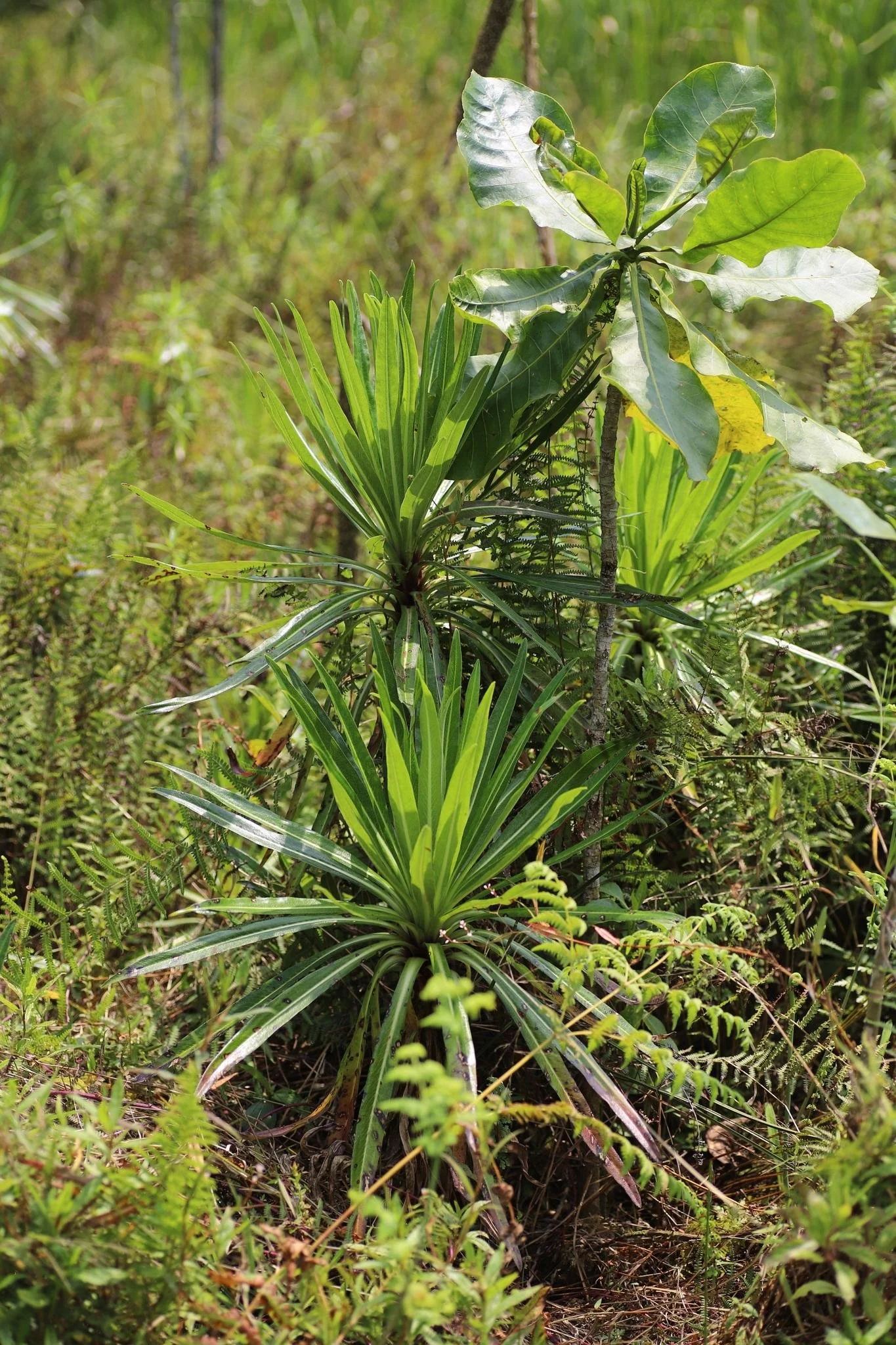
20. Green-Flowered Lobelia
Botanical name: Lobelia viridiflora
Green-flowered lobelia is another endemic Jamaican herb documented in medicinal-plant research, although its traditional folk use was not specified in the UWI review.
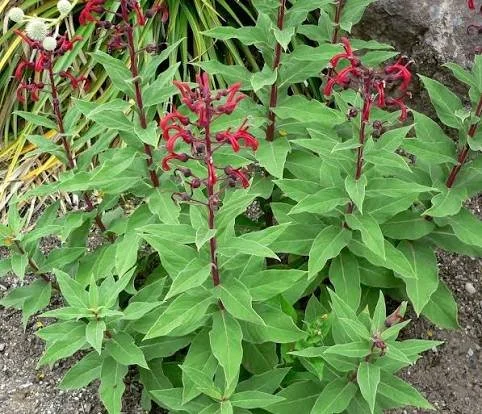
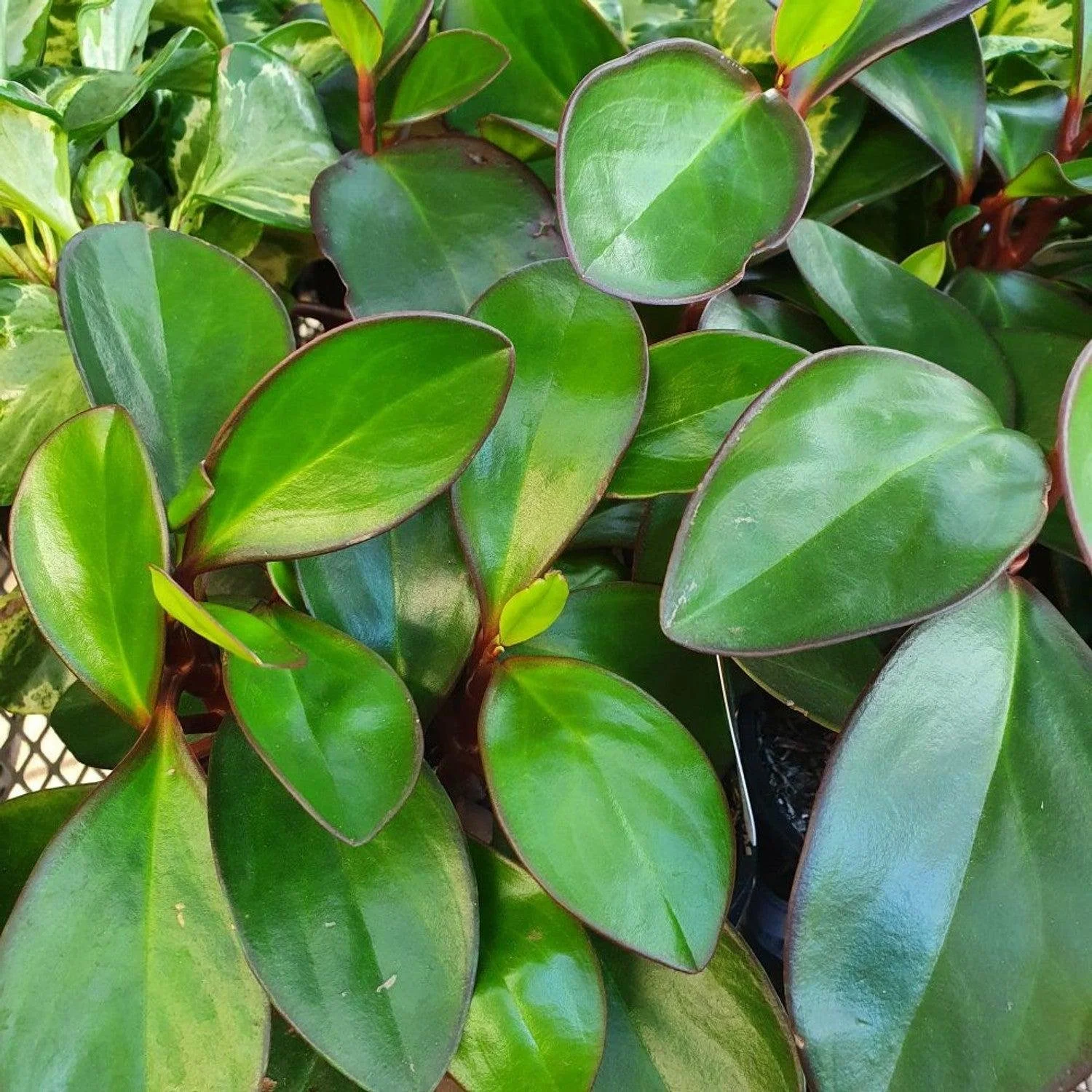
21. Red-Edge Peperomia
Botanical name: Peperomia clusiifolia
Red-edge peperomia is native to Jamaica and is included among Jamaican medicinal plants studied by UWI. Its specific traditional use was not recorded in that review.
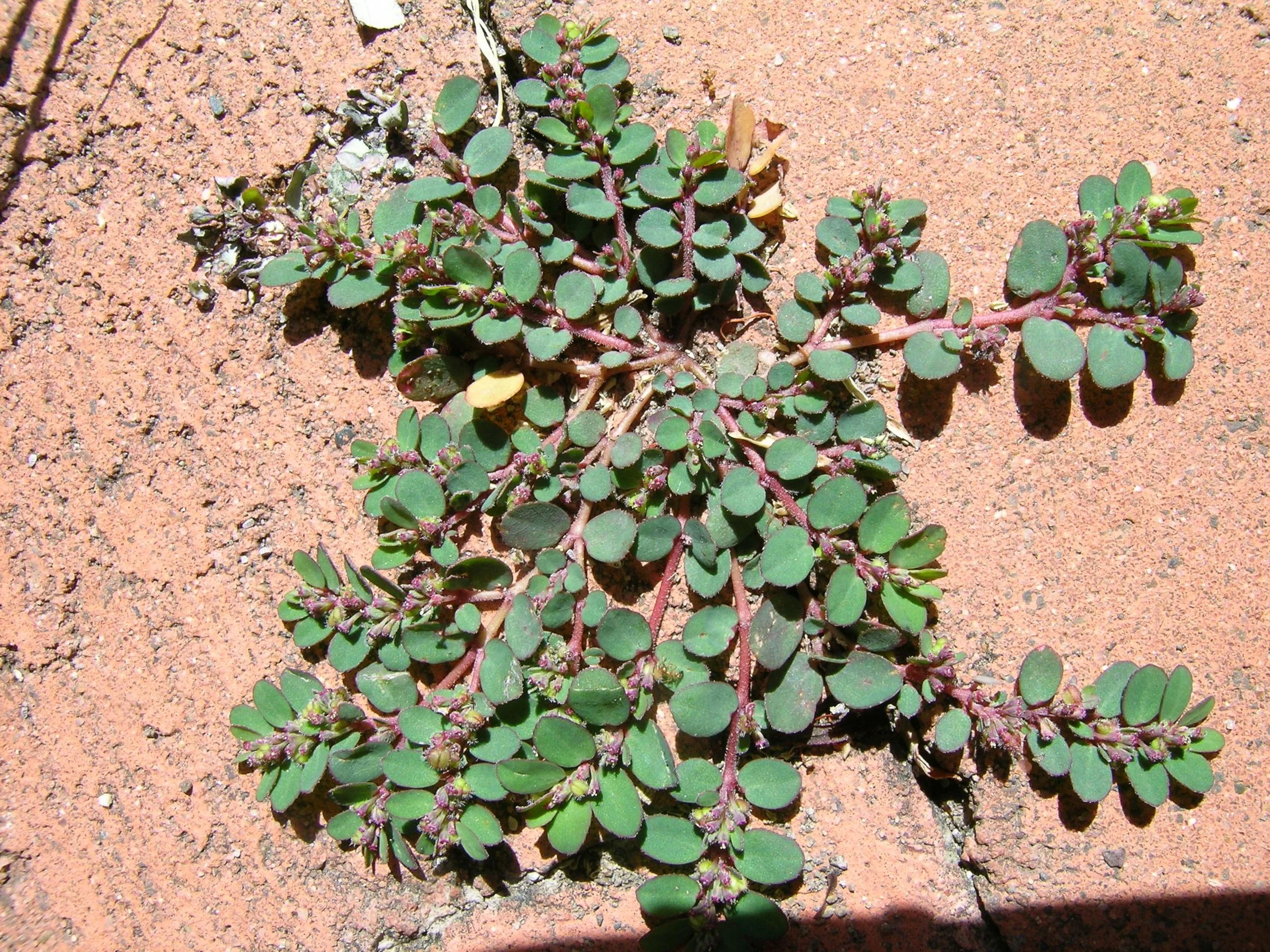
22. Prostrate Spurge
Botanical name: Euphorbia prostrata
Prostrate spurge belongs to a group of Jamaican milkweeds traditionally prepared as bush tea for colds and indigestion, while the latex has historically been applied externally to small cuts.
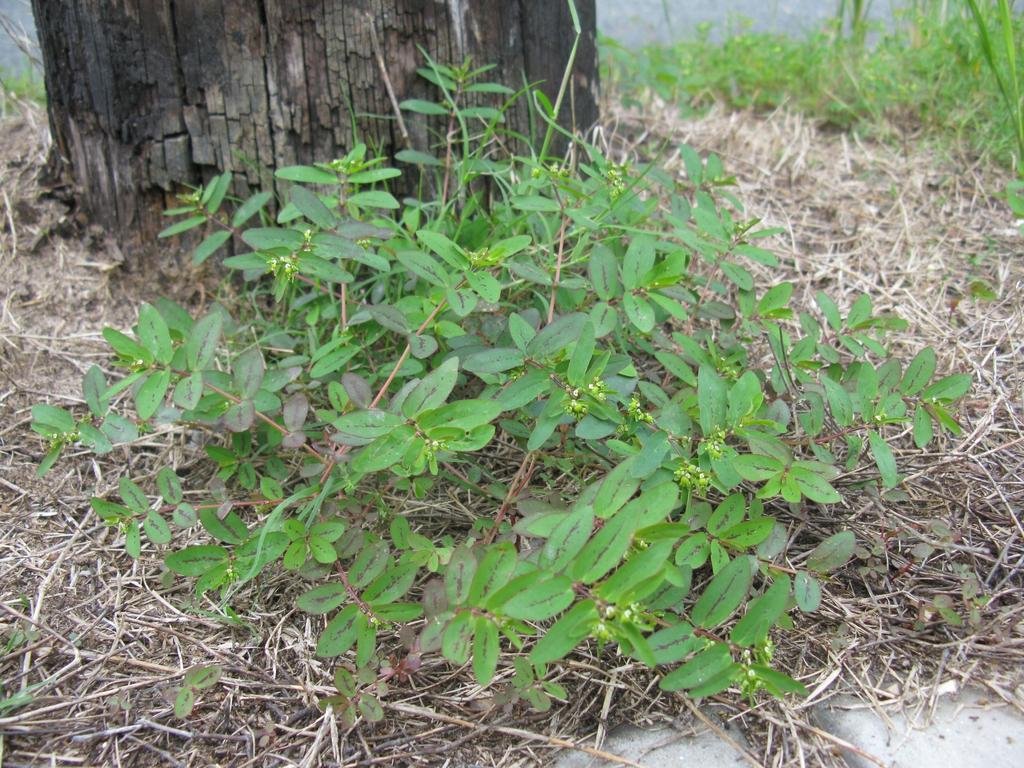
23. Hyssop-Leaf Spurge
Botanical name: Euphorbia hyssopifolia
Hyssop-leaf spurge has traditionally been used in Jamaican bush medicine for digestive complaints, back pain and as a general tonic.
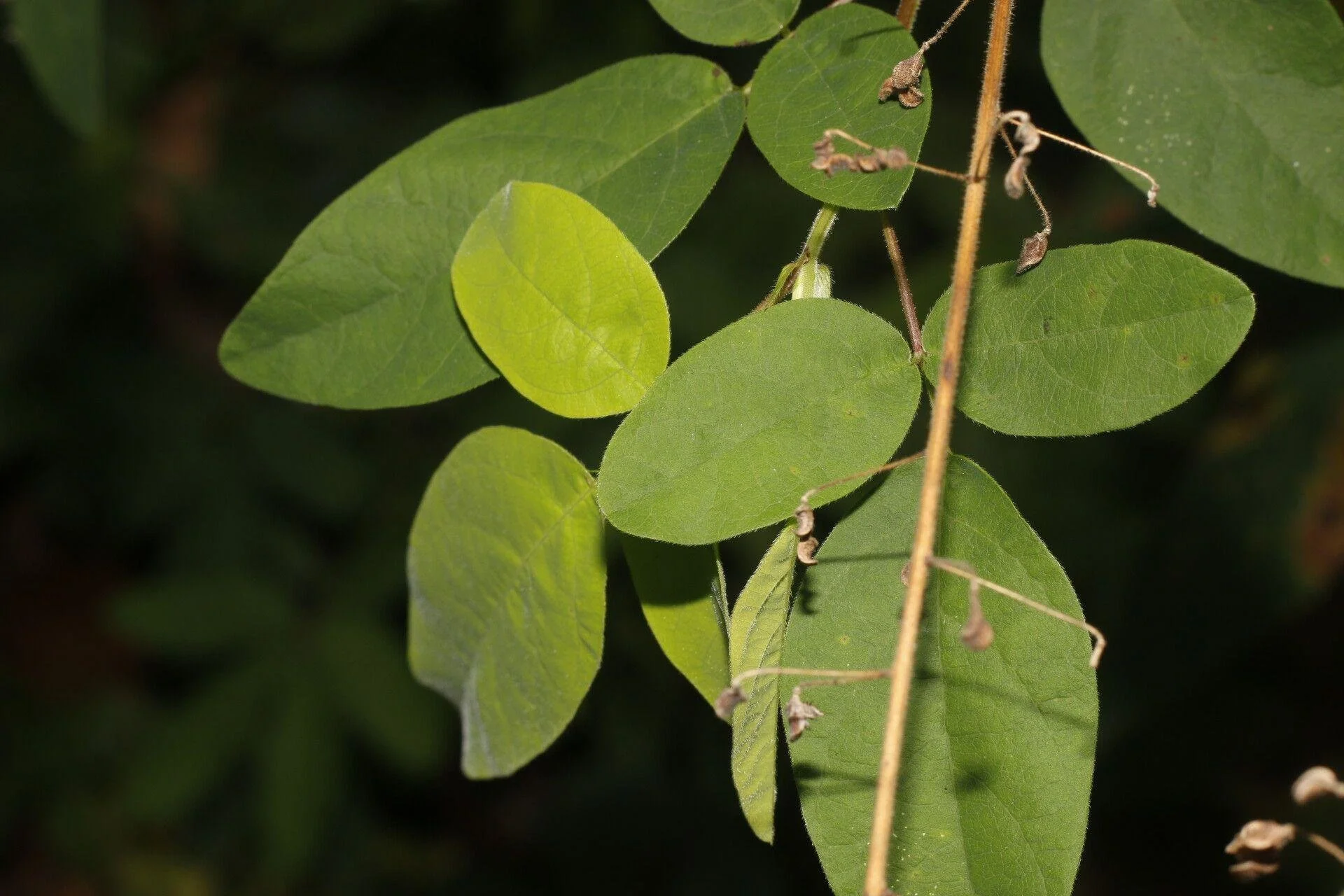
24. Pinder
Botanical name: Desmodium procumbens
Pinder, also called wild pinder, is traditionally brewed in Jamaica as a bush tea for back pain, weakness and general body strength.
25. Ackee
Botanical name:: Blighia sapida K.D.Koenig
Ackee leaves and bark have traditionally been used in folk medicine for colds, fever, stomach complaints and skin conditions. However, these medicinal uses are not scientifically established.
Note: Ackee is a fruit-bearing tree, not an herb, so it should not be included in your Jamaican herbs-only blog series. Unripe ackee and its seeds are poisonous.